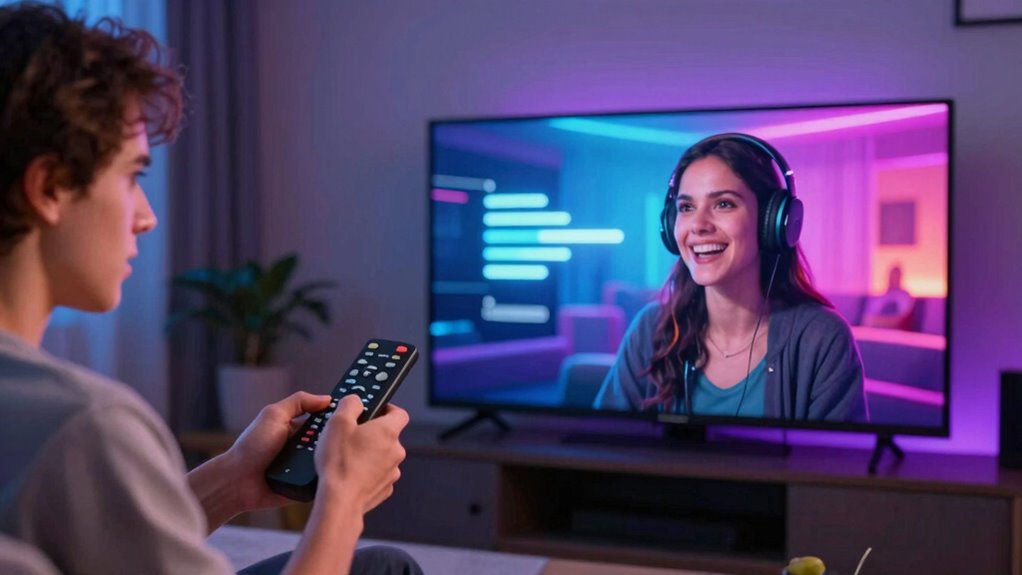

Streaming lag can seriously impact your satisfaction by causing delays between live action and what you see on screen. Even a few seconds of delay can make you feel disconnected from the game or event, reducing your enjoyment. Buffering and technical glitches also break your immersion and frustrate you further. When streams aren’t smooth, you might miss key moments or seek alternatives. Want to know how technology can help improve your experience? Keep going to find out more.
Key Takeaways
- Increased streaming lag causes delays, making fans miss crucial moments and reducing engagement.
- High latency disrupts real-time interaction, diminishing emotional connection with the content.
- Buffering issues interrupt viewing flow, leading to frustration and lower satisfaction.
- Effective streaming technology that minimizes lag enhances viewer enjoyment and loyalty.
- Persistent technical problems can drive fans to seek alternative platforms or illegal streams.
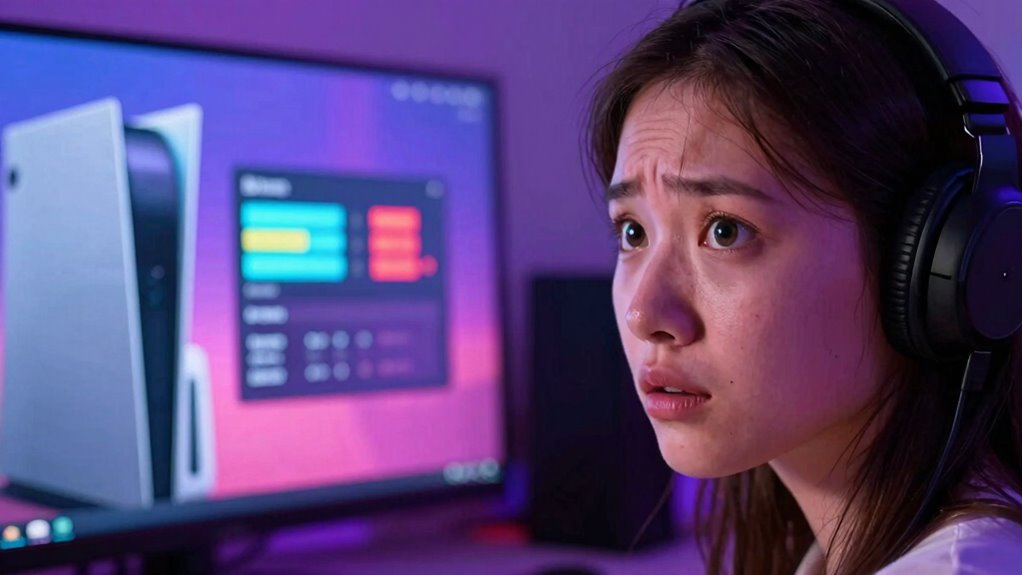
Streaming lag has become a major factor influencing how satisfied fans feel about their viewing experiences. When you’re watching a live game or a highly anticipated event, even a few seconds of delay can throw off your enjoyment. Latency issues, which cause that delay between the live action and what you see on your screen, quickly turn excitement into frustration. You might find yourself counting the seconds or missing vital moments because the stream isn’t keeping pace with reality. These delays create a disconnect that diminishes your overall satisfaction, especially when you’re enthusiastic to stay in sync with the action.
Buffering challenges are another common issue that intensifies this dissatisfaction. Imagine being in the middle of a pivotal play, and suddenly, the video stalls or pauses to buffer. It’s disruptive, and it pulls you out of the immersive experience you were trying to enjoy. Buffering often results from inconsistent internet connections, slow data speeds, or overloaded servers. No matter the cause, it leaves you waiting impatiently, often multiple times during a single viewing session. This interruption not only ruins the flow of the event but also makes you feel like your viewing experience isn’t reliable or worth your time. A stable internet connection is crucial for maintaining a seamless streaming experience.
When latency issues and buffering challenges happen frequently, they can lead to a significant decline in your overall satisfaction. You may start to feel that streaming platforms aren’t providing the quality you expect, and your perception of the event itself can diminish. Poor streaming performance can cause frustration and reduce your emotional connection to the content. Technical issues such as high latency can significantly impact how engaged you feel during an event. If you’re unable to see the action in real time or experience constant interruptions, your emotional connection to the game or show weakens. This frustration can cause you to seek alternative ways to watch, such as switching to different streaming services or even resorting to illegal streams, which may offer better performance but come with their own risks. Additionally, streaming technology plays a key role in how well these issues are managed and mitigated.
Furthermore, the quality of streaming technology directly influences how effectively these issues are addressed, ultimately impacting viewer satisfaction. When streaming services optimize their technology to reduce latency and buffer times, your viewing experience improves dramatically. Quick load times, minimal delays, and smooth playback make you feel more engaged and satisfied. You’re able to react to fast-paced moments without hesitation or annoyance, which heightens your enjoyment and loyalty to the platform. Ultimately, how well a streaming service handles these technical challenges directly impacts your perception of quality and your willingness to keep tuning in for future events.
high-speed internet router for streaming
As an affiliate, we earn on qualifying purchases.
As an affiliate, we earn on qualifying purchases.
Frequently Asked Questions
How Does Streaming Lag Vary Across Different Sports?
Streaming lag varies across different sports because of live latency and buffering issues. For high-paced sports like basketball or tennis, even small delays can be noticeable and frustrating, impacting your viewing experience. Sports with less action, like golf or baseball, typically experience less lag. You might notice buffering issues more during peak times or with slower internet, which can cause disruptions and reduce your overall satisfaction, especially for fast-moving sports.
What Technologies Are Used to Reduce Streaming Lag?
You use advanced technologies like buffer management and data compression to reduce streaming lag. Buffer management smooths out data flow, preventing interruptions, while data compression minimizes the amount of data sent, speeding up delivery. Together, these techniques help guarantee your live streams are more seamless and responsive. Streaming platforms continuously optimize these technologies to deliver real-time content, keeping you engaged without frustrating delays.
Does Streaming Lag Affect Viewer Demographics Differently?
You might think streaming lag affects everyone equally, but it actually influences viewer engagement differently across demographics. Ironically, tech-savvy younger audiences tolerate lag better, while older viewers get frustrated faster. This shift impacts demographic preferences, as some groups might tune out or switch platforms altogether. So, lag isn’t just a technical issue—it’s a subtle influencer of who stays engaged and who moves on, shaping the future of streaming experiences.
How Do Live Events Compare to On-Demand Content in Lag Issues?
Live events often face more buffering issues than on-demand content because they require real-time streaming, making device compatibility essential. When your device struggles to handle live streams, lag increases, disrupting the experience. On-demand content usually buffers less since it can adjust quality dynamically. To improve satisfaction, make sure your device is compatible with streaming platforms and has a stable internet connection, especially for live events where delays are more noticeable.
What Is the Ideal Streaming Delay for Optimal Fan Experience?
The ideal streaming delay for the best fan experience is around 2 to 4 seconds. This minimizes buffering issues and keeps viewers engaged without noticeable lag. If the delay extends beyond this, your viewers’ patience decreases, leading to frustration and dissatisfaction. By maintaining a short, consistent delay, you guarantee smooth, real-time viewing that enhances overall enjoyment and keeps fans feeling connected and involved in the live event.
Conclusion
So, isn’t it funny how a tiny bit of streaming lag can unexpectedly shape your entire game day experience? You might find yourself cheering a goal just a second too late or celebrating a win as the scoreboard changes. It’s almost as if those moments of technical hiccups are a reminder that, even in digital spaces, the thrill of the game is never quite perfect—but that’s what keeps us coming back for more.