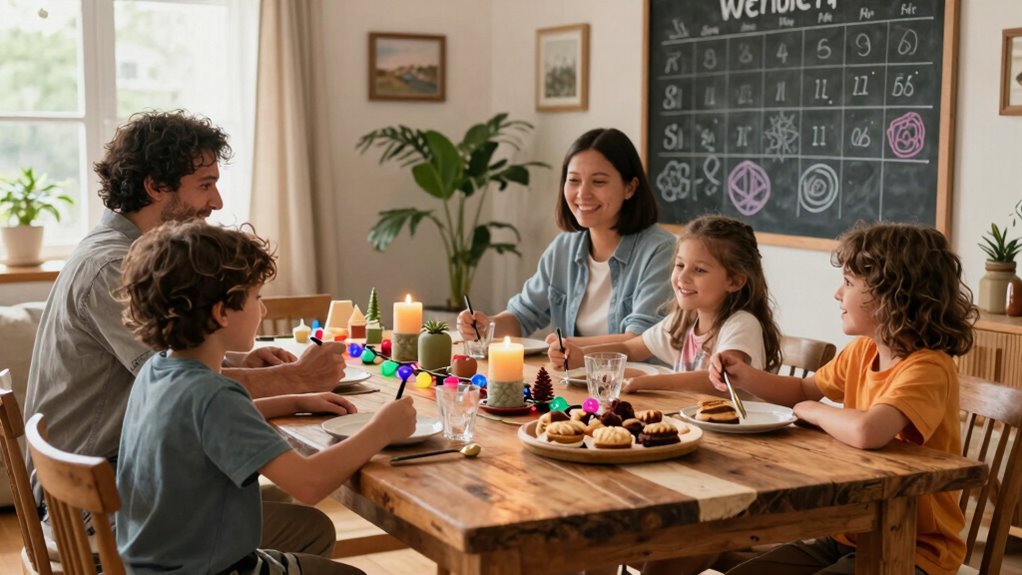
To create recurring traditions from scratch, start by choosing activities that reflect your family’s values, interests, or cultural roots. Pick regular times and accessible settings, like monthly game nights or seasonal outings, to build stability. Involve everyone in planning to foster ownership and adapt traditions as interests evolve. Be patient, allowing traditions to grow naturally, and focus on making them meaningful through shared stories and feelings. Keep exploring to discover how to make your traditions lasting and special.

Get sports gear delivered free with Prime
- Fast, free delivery on millions of items
- Prime Video, Amazon Music and more included
- Member-only deals all year
Key Takeaways
- Identify shared values or interests that resonate with your family or community.
- Choose regular, accessible times and settings for your traditions to foster consistency.
- Involve everyone in planning and decision-making to foster ownership and enthusiasm.
- Start simple and allow traditions to evolve naturally with time and experience.
- Focus on meaningful activities that deepen emotional bonds and reflect cultural significance.
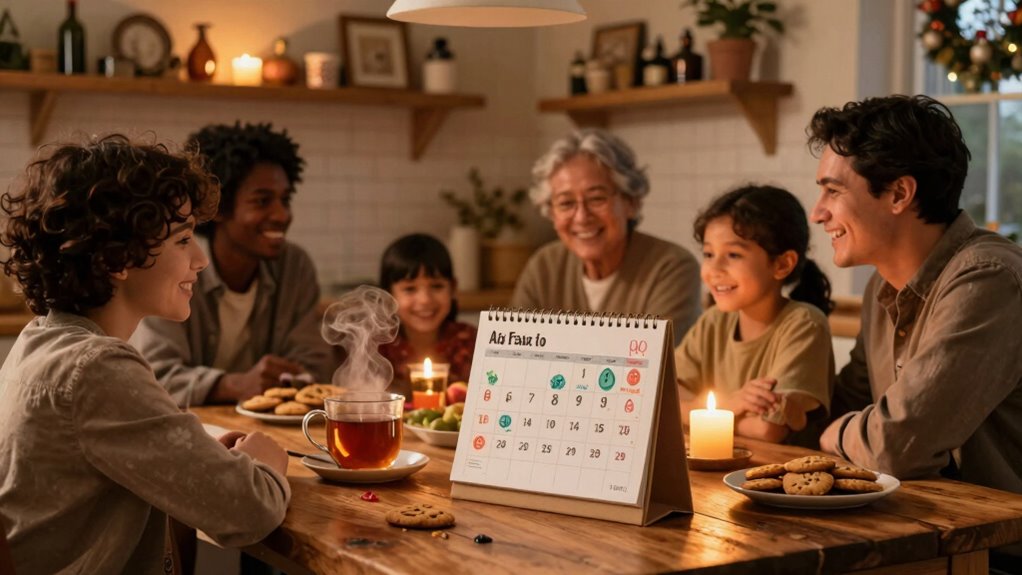
Have you ever wondered how some families and communities build lasting bonds through traditions? It’s because these customs carry deep cultural significance and serve as a foundation for family bonding. When you create recurring traditions, you give your loved ones a sense of stability and identity. These routines become more than just activities; they’re woven into the fabric of your family’s story, helping everyone feel connected across generations. Establishing such traditions from scratch might seem intimidating, but it’s actually straightforward when you focus on meaning and consistency.
Start by identifying what matters most to your family. Think about shared values, interests, or cultural roots that could serve as the core of your tradition. For example, if your family values community service, you might plan an annual volunteer day. If food is central to your culture, consider a special holiday feast or cooking night. The key is selecting something that resonates with everyone and reflects your collective identity. This cultural significance can help deepen the emotional connection and make the tradition more meaningful and memorable for everyone involved.
Identify what matters most to your family to create meaningful, culturally significant traditions everyone will cherish annually.
Next, choose a regular time and setting for your tradition. Consistency helps it become a natural part of your family’s rhythm. Whether it’s a monthly game night, a yearly outdoor adventure, or a seasonal craft project, having a designated time makes it easier to uphold. Make sure it’s accessible for everyone involved and flexible enough to adapt over time. The goal is to create a predictable event that everyone can anticipate and cherish, reinforcing family bonding with each encounter. Additionally, understanding the importance of biodiversity and conservation can inspire you to incorporate sustainable practices into your traditions, fostering environmental awareness within your family.
Involve everyone in the planning process. When family members have a say in what the tradition entails, it fosters ownership and enthusiasm. You can brainstorm ideas together, assign roles, or rotate responsibilities each year. This participatory approach strengthens connections and ensures the tradition evolves with your family’s changing interests. Over time, these shared efforts become a source of pride and a way to pass down family stories and values, deepening cultural significance.
Finally, be patient and allow your traditions to grow naturally. The first few years might feel simple or even awkward, but persistence pays off. As you continue, your family will start to associate these moments with love, laughter, and shared history. Over time, your recurring traditions will become treasured parts of your family’s story, creating a sense of belonging and continuity that lasts long beyond the initial effort. Creating meaningful traditions takes intention, but the emotional and cultural rewards make it entirely worthwhile.
family tradition planning journal
As an affiliate, we earn on qualifying purchases.
As an affiliate, we earn on qualifying purchases.
Frequently Asked Questions
How Long Does It Take for a Tradition to Become Established?
It typically takes several years for a tradition to become well-established, but this varies based on its cultural significance and how consistently you practice it. By regularly engaging in the activity, you help foster generational continuity, making it more meaningful over time. The key is persistence and shared meaning, which turn small rituals into lasting traditions that resonate across generations, strengthening your connection and cultural identity.
Can Traditions Be Inclusive for Diverse Families?
Like a tapestry woven with vibrant threads, traditions can embrace diverse families by honoring cultural differences and family dynamics. You can craft inclusive traditions by blending customs, celebrating unique backgrounds, and inviting open dialogue. This approach guarantees everyone feels valued and part of the story. With patience and creativity, your traditions become a beautiful mosaic that unites, respects, and celebrates every family member’s individuality.
What if Family Members Lose Interest Over Time?
If family members lose interest over time, you can boost family engagement by making traditions flexible. Adapt activities to suit everyone’s changing interests, and involve family members in planning. This keeps traditions fresh and meaningful. Open communication helps identify what still excites everyone, ensuring traditions evolve naturally. By prioritizing tradition flexibility, you create an environment where family members want to participate, maintaining the bonds that make your traditions special.
How Do I Adapt Traditions During Major Life Changes?
When life’s tides shift, you can gently reshape traditions, honoring their cultural significance while embracing personal customization. You might adapt celebrations to new circumstances, like blending old customs with fresh activities that resonate with your current life stage. This flexibility keeps traditions meaningful, ensuring they grow with you. By thoughtfully adjusting your practices, you preserve their essence while making space for new experiences, fostering enduring connections through life’s evolving chapters.
Are There Common Mistakes to Avoid When Creating Traditions?
When creating traditions, avoid overlooking cultural differences and generational gaps, as these can cause misunderstandings or feelings of exclusion. Don’t assume everyone shares the same values or customs; instead, involve others in the planning. Also, steer clear of making traditions too rigid, which can discourage participation over time. Flexibility and inclusivity help guarantee your traditions remain meaningful and welcoming for everyone involved.
Conclusion
Creating recurring traditions can strengthen your bonds and bring joy to your life. By intentionally establishing meaningful rituals, you foster a sense of continuity and belonging. Did you know that 70% of people say that traditions help them feel more connected to their community? So, start small, stay consistent, and watch your traditions grow into cherished moments that last a lifetime. Your efforts will create a lasting legacy of shared memories for years to come.
Halloween Picks
halloween
As an affiliate, we earn on qualifying purchases.