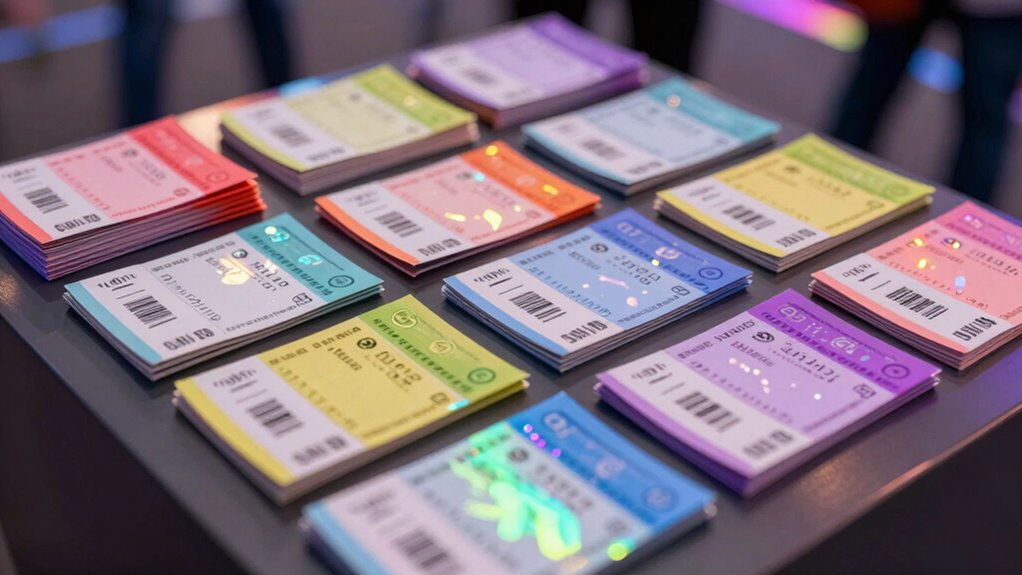

Ticket resale patterns reveal a lot about consumer demand. When prices surge, it shows high interest and scarcity, especially for popular events. As demand drops, prices tend to fall, making tickets more accessible. Resale trends reflect what people value most, whether an artist or game. These shifts in pricing inform you about current market conditions. Keep exploring, and you’ll uncover even more insights into how demand influences ticket prices.
Key Takeaways
- Resale price surges during peak demand indicate strong consumer interest and event popularity.
- Price drops over time suggest declining demand or oversupply, increasing ticket accessibility.
- High resale prices above face value reflect scarcity and high willingness to pay among buyers.
- Consistent premium resale prices signal sustained demand for specific artists, teams, or events.
- Fluctuations in resale prices reveal changing consumer preferences and market sentiment.
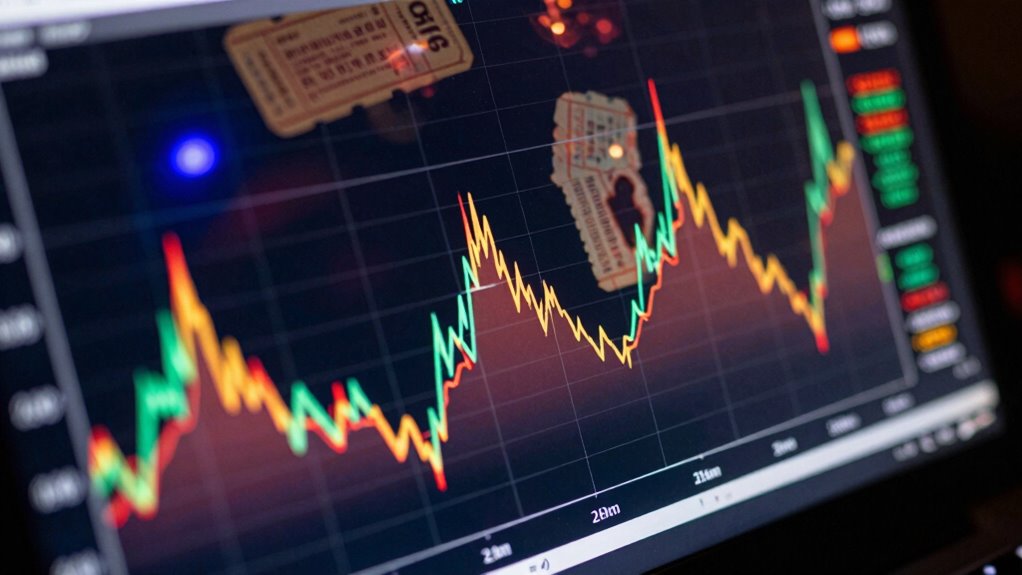
Resale patterns are also driven by strategic pricing. Sellers in the secondary markets use various pricing strategies to maximize their profits. Some may set initial prices high, expecting scarcity to push prices even higher as the event draws near. Others might lower prices over time to attract last-minute buyers. These tactics are directly influenced by demand trends. When demand peaks, you’ll see prices surge, often well above face value, as sellers capitalize on scarcity. When demand drops, prices tend to fall, making tickets more accessible to budget-conscious fans. These pricing strategies help sellers adapt to real-time demand, and by doing so, they shape the overall resale landscape. Additionally, understanding the demand fluctuations can help buyers and sellers anticipate market shifts and act accordingly. Recognizing the pricing strategies used by sellers provides valuable insights into market dynamics. Looking closer at resale patterns, you also notice that some tickets are consistently resold at a premium, indicating strong demand for specific artists, sports teams, or events. For example, high-profile concerts or championship games tend to generate a frenzy, with resale prices reflecting the intense demand. On the other hand, tickets for less popular events or those with oversupply often see resale prices hovering near or below face value. This dynamic illustrates how the secondary markets respond to shifts in demand, giving you insights into what people value most and how much they’re willing to pay. Moreover, the market signals can often predict upcoming trends in consumer interest, allowing savvy buyers and sellers to act proactively. Recognizing demand signals can further enhance the ability to anticipate market changes. Analyzing historical resale data can reveal patterns and help forecast future demand, giving you an edge in a competitive market. Ultimately, resale patterns serve as a mirror to consumer behavior and market sentiment. They show you not only how much people want tickets but also how sellers strategize to meet that demand. By paying attention to these patterns, you can better understand when to buy or sell, recognizing the signals that demand sends through pricing movements. These insights help you navigate the often unpredictable world of ticket resale, making smarter decisions based on real-time market conditions.

Auction Tickets – 500 Sheets – Orange
- Quantity: 500 sheets of auction tickets
- Suitable For: Tricky tray, Chinese auctions
- Additional Uses: Penny and silent auctions
As an affiliate, we earn on qualifying purchases.
As an affiliate, we earn on qualifying purchases.
Frequently Asked Questions
How Do Resale Patterns Differ Across Various Event Types?
You’ll notice resale patterns differ across event types because of dynamic pricing and fan behavior. For concerts, resale prices fluctuate with demand, reflecting fans’ enthusiasm and last-minute interest. Sports events often see consistent resale trends, driven by team loyalty and game importance. Theater tickets might have steadier prices, as fans plan ahead. Overall, understanding these patterns helps you anticipate price shifts and better grasp how fan behavior influences resale markets.
What Role Do Social Media Platforms Play in Resale Trends?
Social media platforms profoundly influence resale trends, especially through influencer marketing and viral campaigns. You’ll notice that when influencers promote certain events or tickets, resale prices often spike as their followers rush to buy. Viral campaigns create buzz, fueling demand and resale activity. This immediacy and reach make social media a powerful tool for resellers, shaping demand patterns quickly and dramatically, often turning ordinary tickets into hot commodities overnight.
How Does Geographic Location Influence Resale Pricing?
You’ll notice that geographic location greatly influences resale pricing because regional pricing reflects local demand. In areas where events are highly sought after, resellers can charge higher prices, while places with lower demand see more affordable tickets. Your awareness of local demand helps you understand why prices fluctuate across regions, making it easier to find deals or sell tickets at the right time and place. Regional pricing directly impacts resale value based on local interest.
Are There Ethical Concerns With Ticket Reselling?
Are you aware of the ethical considerations in ticket reselling? When resellers engage in price gouging, they exploit fans and inflate prices unfairly, raising serious ethical concerns. While some see reselling as a way to access hard-to-get tickets, others argue it unfairly profits from demand. It’s important to weigh the impact on consumers and the integrity of the market, questioning whether profit justifies potential harm.
How Can Consumers Identify Legitimate Resale Marketplaces?
To identify legitimate resale marketplaces, you should look for platforms that prioritize authenticity verification and offer price transparency. Check if they have secure payment options and clear policies on ticket authenticity. Research reviews and ratings from other buyers to guarantee trustworthiness. Avoid sites with inconsistent pricing or vague seller information. By focusing on these key signs, you can confidently purchase tickets from reputable resale marketplaces and avoid scams.
Conclusion
By paying close attention to resale patterns, you can gain subtle insights into the hidden rhythms of demand. These quiet signals reveal how enthusiastic fans are and when interest peaks, offering a nuanced glimpse into market dynamics. While the true story remains beneath the surface, understanding these gentle clues lets you navigate the ticket landscape with a bit more confidence. In the end, it’s a delicate dance of supply and desire—one worth observing closely.