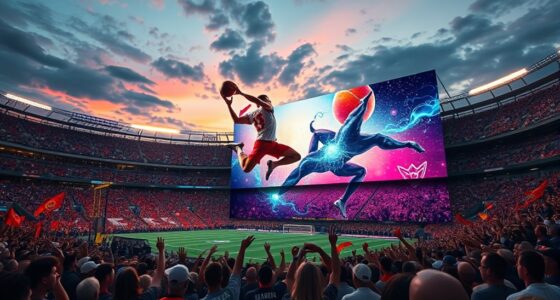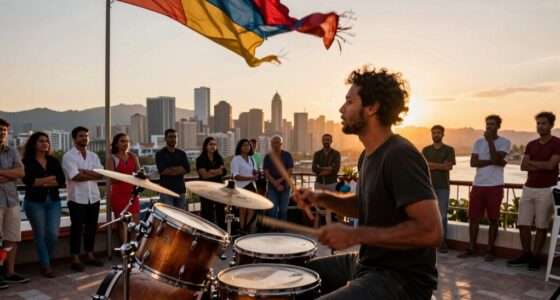
In South America, ultras turn stadiums into vibrant hubs of passion with drums beating rhythms and banners waving in unison. Their choreographed displays and colorful banners showcase unwavering loyalty, create intimidating atmospheres, and passionately celebrate rivalries. These rituals foster a strong sense of community and cultural identity among fans. As you continue exploring, you’ll uncover how these powerful visual and auditory traditions make South American football truly electrifying.

Get sports gear delivered free — and shop member deals
- Fast, free delivery on millions of items
- Access to Prime Big Deal Days deals on October 6–7
- Prime Video, Amazon Music and more included
Key Takeaways
- South American ultras are renowned for their vibrant banners and choreographies that energize stadium atmospheres.
- Drums are central to ultras routines, creating rhythmic beats that unify fans and amplify support.
- Banners often depict club emblems, regional pride, or provocative messages reflecting intense rivalries.
- Ultras organize coordinated routines and displays that demonstrate loyalty and intimidate opponents.
- These visual and auditory elements turn matches into passionate cultural events rooted in regional identities.

Have you ever wondered how ultras shape the passionate football culture across South America? It’s through their vibrant displays of fan choreography, chants, and banners that they create an electrifying atmosphere inside stadiums. When you attend a match, you’ll notice how ultras coordinate intricate routines—flags waving in sync, coordinated movements, and colorful banners that paint the stands. These choreographies aren’t just for show; they’re a powerful way to demonstrate loyalty, intimidate opponents, and rally fellow fans. The precision and effort behind fan choreography make every game feel like a communal celebration, uniting supporters through shared passion and identity.
Central to the ultras’ influence are rivalry dynamics, which fuel the intensity of their displays. South American football is deeply rooted in historic rivalries—be it between clubs or regional factions—and ultras play a pivotal role in amplifying these rivalries. When two teams face off, ultras go all out to outdo each other with their banners, chants, and choreographed routines. This competitive spirit transforms a regular match into a battleground of fan pride, where every gesture and display conveys dominance. Ultras understand the power of symbolism, and their banners often feature provocative messages or club emblems that heighten the rivalry’s stakes. These displays serve to motivate their team while simultaneously challenging the opposing supporters, intensifying the hostile yet spirited atmosphere that defines South American football.
You’ll also see how rivalry dynamics extend beyond the game itself. Ultras often organize pre-match gatherings, creating a sea of colors and sounds that mark the occasion long before kickoff. Their coordinated fan choreography becomes a visual language that communicates allegiance and strength, making it clear which side they support. This sense of unity and fierce loyalty fosters a community where rivalries are celebrated rather than shunned, adding layers of meaning to each encounter. Ultras don’t just attend matches—they make them unforgettable. Their banners and choreographed routines turn stadiums into arenas of cultural expression and identity, reinforcing the emotional bonds among supporters and shaping the passionate football culture that South America is famous for. Additionally, the rivalry dynamics often influence the design and messaging of banners, making each display a reflection of historical conflicts and regional pride.
As an affiliate, we earn on qualifying purchases.
Frequently Asked Questions
How Do Ultras Influence Local Football Cultures?
You see ultras profoundly shape local football cultures by strengthening fan identity and fostering cultural expression. Their passionate chants, coordinated displays, and vibrant banners create a unique atmosphere that unites supporters and celebrates their club’s heritage. Ultras turn matches into immersive experiences, inspiring loyalty and pride. Through these actions, they not only influence game days but also embed football into the community’s cultural fabric, making it more than just a sport.
What Are the Origins of Ultras’ Banners and Chants?
You might think banners and chants are just passionate displays, but their origins run deep in history symbolism and cultural expressions. Ultras’ banners often symbolize club loyalty or political views, while chants echo centuries-old traditions of collective identity. By combining visual symbols with rhythmic vocals, ultras create a powerful sense of unity. This blend of history and culture fuels their fervor, transforming matches into vibrant celebrations of shared heritage.
How Do Ultras Organize Their Events and Gatherings?
You organize ultras events by following long-standing Ultras traditions, where fan choreography plays a central role. You coordinate chants, coordinated movements, and banners to create a powerful atmosphere. Gathering usually starts early, with fans arriving to rehearse routines and set up banners. You work together to maintain the vibrant spirit of ultras culture, ensuring every gathering boosts team support and keeps the tradition alive through passionate, synchronized displays.
What Safety Measures Are in Place During Ultras’ Displays?
During ultras’ displays, security protocols are strictly followed to guarantee safety, including crowd control and surveillance. You’re encouraged to stay alert and follow fan engagement guidelines, which help prevent conflicts and accidents. Event organizers coordinate with security personnel to monitor the area, manage entry points, and respond quickly to any issues. These measures create a safer environment, allowing fans to passionately support their team while minimizing risks.
How Do Ultras Impact Community Relations and Social Issues?
You might think ultras only boost team spirit, but their fan loyalty often extends into political activism, impacting community relations. Sometimes, their displays foster unity, yet they can also spark social issues or tensions within neighborhoods. This dual influence shows ultras aren’t just about cheering—they shape local identities and can challenge or reinforce societal norms, making their presence a complex factor in community dynamics.
Conclusion
So, next time you see South American ultras waving banners and pounding drums, remember they’re more than just passionate fans—they’re part of a vibrant culture. Did you know that Brazil alone has over 50,000 ultras supporting their teams? Their energy and loyalty create an electric atmosphere that’s hard to find anywhere else. Whether cheering at matches or rallying behind their clubs, these ultras truly embody the heart and soul of South American football.
NFL season / tailgating Picks
team gear
As an affiliate, we earn on qualifying purchases.