
When a stadium collapses, it feels personal because it represents shared memories, victories, and community bonds you cherish. This loss touches your identity as a fan and disrupts the connection you have with the team and others. It triggers strong emotions like grief, sadness, or even anger. Your feelings are natural, and understanding why this hurts so deeply can help you process them. Keep exploring to discover ways to heal and rebuild your sense of connection.
Key Takeaways
- Sports grief is deeply personal because stadium memories are tied to shared experiences and community identity.
- The collapse symbolizes the loss of collective victories, bonding, and cultural significance.
- Emotional responses mirror those of personal loss, including sadness, anger, and disbelief.
- Grief is reinforced by the emotional attachment formed through rituals, celebrations, and team support.
- Rebuilding emotional resilience involves honoring memories and finding new ways to connect with the sport.
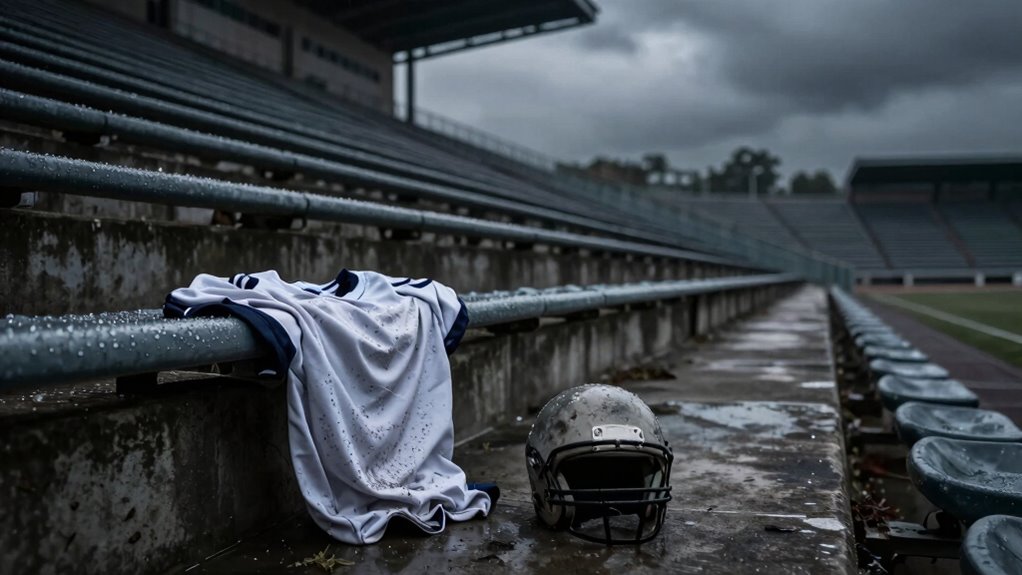
When a sports stadium suddenly collapses, it doesn’t just cause physical destruction—it triggers a profound wave of grief among fans, players, and communities. You might find yourself feeling an unexpected emptiness, as if a part of your identity has been torn away. For many, their athletic identity isn’t just about playing or watching sports; it’s woven into their daily routines, social connections, and sense of belonging. When the stadium falls, it feels like a symbol of shared memories, victories, and even defeats has vanished. The loss hits hard because it represents more than brick and mortar—it’s tied to your emotional investments and the collective experience of being part of something bigger than yourself.
A stadium’s collapse shatters more than structure—it breaks shared memories, community bonds, and personal passions tied to sports.
You may notice a strange sense of disbelief or denial, struggling to accept that something so integral could be lost so suddenly. That’s because your emotional resilience is being tested. Resilience isn’t just about bouncing back from setbacks; it’s about processing grief, navigating feelings of loss, and finding new ways to connect with your passion for sports. The collapse may shake your confidence in the stability of your community or the teams you love, forcing you to confront difficult questions about what sports truly mean to you. It’s natural to feel anger, sadness, or even guilt—wondering if you could have done something differently or if there’s a way to rebuild.
Your emotional response might also be intensified by memories associated with the stadium. Perhaps you celebrated your team’s victories there, or you bonded with friends over game days. These memories are now intertwined with a sense of loss, making it feel personal and real. Recognizing that grief is a natural reaction helps you build emotional resilience over time, giving you the strength to move forward. Additionally, understanding the importance of community bonds can help contextualize your feelings and foster healing. Building new traditions and finding support networks can also assist in the healing process. As you navigate these feelings, it’s helpful to remember that emotional resilience can be cultivated and strengthened through active engagement and support.
Moreover, engaging in natural health practices like mindfulness and herbal remedies can support emotional healing during this difficult time. Though it’s painful, this process can lead to a deeper understanding of what sports truly mean to you—beyond the physical structure. It’s about community, shared identity, and the passion that unites you. Recognizing the role of collective memory can help you process your feelings and find new ways to connect with your love for sports. In the aftermath of a collapse, your emotional resilience becomes your greatest tool. By embracing your feelings, honoring your memories, and gradually seeking new connections, you can find a way to rebuild your athletic identity—this time, perhaps in a different form. The grief may be intense, but it’s also a testament to how much sports have shaped who you are.

Grief is a Team Sport: What Every Griever and Their Team Needs to Know
As an affiliate, we earn on qualifying purchases.
As an affiliate, we earn on qualifying purchases.
Frequently Asked Questions
How Long Does Sports Grief Typically Last?
Sports grief can last anywhere from days to several weeks, depending on your emotional resilience and support networks. You might feel intense sadness initially, but leaning on friends, family, or fellow fans helps process the loss. Over time, your emotions should stabilize as you adapt and find new ways to enjoy the sport or team. Remember, everyone’s experience is unique, and allowing yourself to grieve is a crucial part of healing.
Can Sports Grief Affect Mental Health Long-Term?
Sports grief can hit you like a tidal wave, and yes, it can impact your mental health long-term if you don’t cultivate emotional resilience. Persistent grief may lead to anxiety or depression, making it harder to cope with everyday stress. Developing healthy coping mechanisms, like talking to friends or seeking therapy, helps you process loss and prevents long-lasting damage. Strengthening your emotional resilience ensures you bounce back stronger from sports-related disappointments.
Is It Normal to Feel Physical Pain From Sports Grief?
Yes, it’s normal to feel physical pain from sports grief. Your emotional responses can trigger physical sensations like headaches, chest tightness, or stomachaches. These reactions happen because your mind and body are connected, especially during intense emotions. When you experience loss in sports, your body might respond with pain or discomfort as part of the grieving process. Recognizing this connection helps you understand your emotional and physical experiences better.
How Do Athletes Cope With Sudden Career-Ending Injuries?
Think of your athlete identity as a sturdy ship steering stormy seas. To cope with a sudden career-ending injury, you focus on building emotional resilience, seeking support, and redefining your purpose beyond sports. You might explore new passions or roles, turning the wreckage into a chance for growth. Staying connected with teammates and professionals helps you process loss, ultimately steering you toward a new horizon with strength and hope.
What Support Resources Are Available for Sports Grief?
You can find support through community groups and online forums that focus on sports grief, offering shared understanding and encouragement. Counseling options, like sports psychologists or grief counselors, can help you process your feelings and develop coping strategies. Reaching out to teammates, coaches, or sports organizations can also provide emotional support and resources, ensuring you’re not alone in steering this difficult time.
Conclusion
As you stand in the shadow of a fallen hero, remember that grief paints the heart with colors as vivid as a sunset after a storm. Just like the sky, your emotions may darken then brighten, but they’re all part of the same canvas. When sports collapse hits, it’s not just about missing a game; it’s about mourning the loss of hope, unity, and dreams. Embrace your feelings—every shade belongs in your story.