To create engaging live sports streams, you should aim for low latency—ideally under 2-3 seconds, so your viewers stay connected in real time. Key numbers to monitor include buffering times, total end-to-end delay, and transmission lag, which should be minimized for smooth coverage. High delays cause missed plays and disconnection, so optimizing your setup and network can make a big difference. If you want to master these figures, keep going and you’ll discover how to improve your streams even further.
Key Takeaways
- Focus on end-to-end latency, aiming for under 2-3 seconds for real-time viewer experience in fast-paced sports.
- Monitor buffering and lag times to prevent disruptions and maintain smooth, synchronized audio-visual streams.
- Prioritize low-latency components like hardware, codecs, and network setup to reduce delays from capture to display.
- Address network issues such as congestion and server capacity to minimize transmission delays and improve stream responsiveness.
- Regularly test and optimize streaming configurations to sustain low latency, enhance engagement, and stay competitive.
What Is Latency and Why Does It Matter for Sports Streaming?

Have you ever wondered why live sports streams sometimes lag or feel out of sync? That’s where latency comes in. Latency is the delay between an event happening in real life and when you see it on your screen. For sports streaming, low latency is essential because it keeps the viewer’s experience seamless, especially during fast-paced moments. Sports analytics heavily rely on real-time data, making instant updates critical for accurate athlete performance analysis. If latency is high, it creates a disconnect, making it difficult to follow the action or analyze plays effectively. Additionally, understanding digital concepts like latency helps content creators optimize their streams for a better audience experience. Whether you’re a content creator or a fan, understanding latency helps you appreciate how important it is for delivering smooth, synchronized sports broadcasts that keep everyone engaged and informed.
Key Latency Metrics Every Sports Streamer Needs to Know
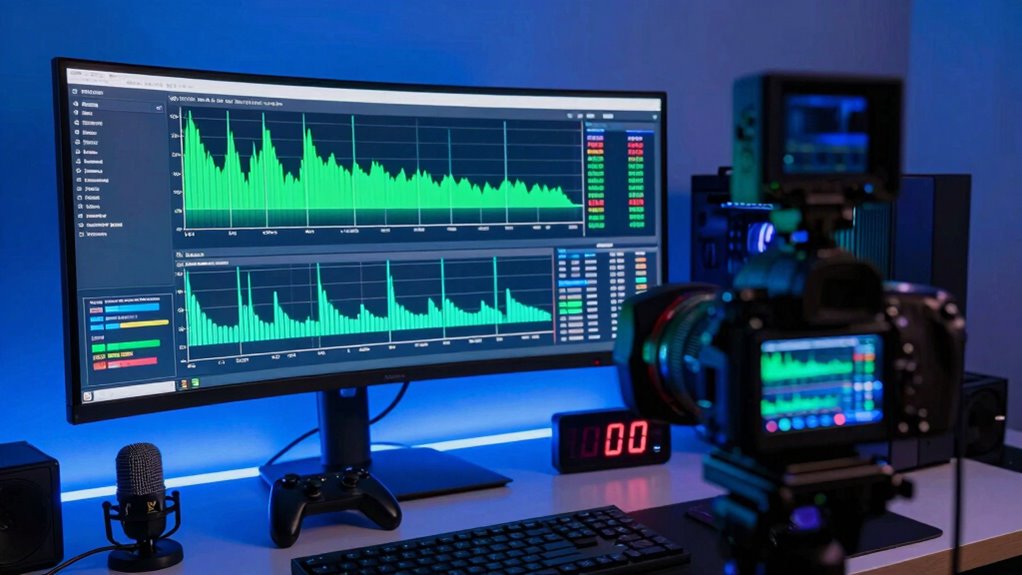
Understanding buffering and lag times helps you identify delays that disrupt your viewers’ experience. End-to-end delay measures how long it takes for your stream to reach the audience, affecting real-time engagement. Knowing these metrics lets you optimize your setup for smoother, more responsive sports broadcasts. Incorporating waterproof running watches with low latency features can further enhance live streaming during outdoor events. Being aware of streaming performance differences enables you to troubleshoot issues more effectively and maintain high-quality broadcasts. Additionally, understanding how projector technology affects latency can help you choose equipment that minimizes delays and improves overall viewer satisfaction. Implementing risk management strategies like secure streaming platforms and regular performance monitoring can also protect your content from disruptions and ensure compliance with broadcasting standards.
Buffering and Lag Times
Buffering and lag times are vital metrics that directly impact your viewers’ experience during live sports streams. When buffering causes delays, it disrupts the flow of the game, affecting player psychology by creating frustration and distraction. Venue acoustics also play a role; poor audio synchronization can heighten perceived lag, making it seem like the action is out of sync. If lag times are too long, viewers might miss crucial plays or feel disconnected from the game, reducing engagement. Keeping buffering times low ensures a smoother, more immersive experience, maintaining viewer focus and enjoyment. Proper equipment setup can help reduce audio lag, which is crucial for maintaining synchronization. Additionally, understanding the latency metrics helps streamers optimize their setup and deliver a seamless live experience. Properly managing buffering times is essential to prevent interruptions and maintain a consistent streaming quality. Being aware of network stability can also significantly influence latency, ensuring a reliable connection during critical moments of a game. By understanding and managing these latency aspects, you help preserve the live atmosphere and prevent disruptions that could detract from the excitement of the game. Monitoring internet speed metrics can further aid in adjusting settings proactively to prevent unexpected buffering issues.
End-to-End Delay
End-to-end delay measures the total time it takes for a live sports event to travel from the source to your screen. This delay impacts your viewing experience, especially when syncing crowd noise or switching camera angles. A high end-to-end delay means you see events later than they happen, disrupting immersion and real-time reactions. To understand this better, consider the following:
| Stage | Typical Delay | Impact on Experience |
|---|---|---|
| Camera Capture | 50-100 ms | Affects live visual accuracy |
| Transmission | 100-200 ms | Can cause lag with crowd noise sync |
| Display & Processing | 50-100 ms | Influences camera angle switching |
Reducing end-to-end delay ensures seamless synchronization, making your sports streaming more engaging and immediate.
Common Causes of High Latency in Live Sports Streams
High latency in live sports streams often stems from issues within the network infrastructure or the streaming setup itself. One common cause is network congestion, which occurs when too many users or devices overload the bandwidth, slowing data transfer and increasing delay. Hardware limitations also play a significant role; outdated or underpowered equipment can struggle to process and transmit high-quality streams efficiently. Insufficient server capacity, slow or unreliable internet connections, and outdated routers can all contribute to increased latency. Additionally, poor network routing or routing inefficiencies can introduce delays. Recognizing these factors helps you identify bottlenecks that cause high latency, so you can optimize your setup accordingly for smoother, more synchronized live sports streaming experiences. Furthermore, understanding the importance of reliable infrastructure can help you mitigate these issues more effectively, especially when considering the broader context of digital asset analysis and how robust systems support consistent performance. Ensuring all components, including networking hardware, are up-to-date and well-maintained is crucial for minimizing latency issues and providing a seamless viewing experience. Regularly monitoring network performance and leveraging expert voice actors to communicate complex troubleshooting steps can also improve user comprehension and engagement. Additionally, investing in advanced hardware like modern routers can significantly reduce latency and improve overall stream quality.
How to Measure and Monitor Your Streaming Latency in Real Time
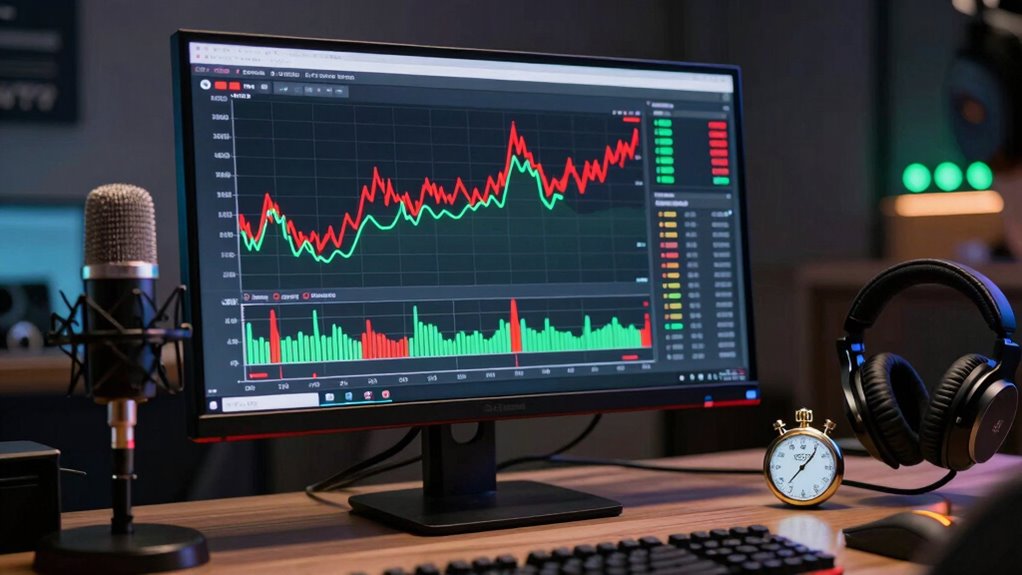
Once you’ve identified potential causes of high latency, the next step is to measure and monitor your streaming performance in real time. Use tools like stream analytics dashboards to track latency metrics continuously. Incorporate real-time data from interactive chat and viewer feedback to gauge how quickly viewers see your content. Pay attention to chat delays and viewer reports, which can reveal latency issues that metrics alone might miss. Set up alerts for sudden spikes in latency, so you can respond promptly. Regular monitoring helps you identify patterns and troubleshoot issues faster. By actively tracking these indicators, you guarantee your stream remains as low-latency as possible, fostering better interaction and a more seamless viewer experience. Additionally, understanding streaming latency and its impact on viewer engagement can help you optimize your setup for the best possible performance.
Why Low Latency Boosts Viewer Engagement in Sports Content
Low latency creates a real-time audience connection, making viewers feel like they’re part of the action. This enhanced viewing experience keeps viewers engaged and more likely to stay longer. Plus, offering near-instant coverage gives you a competitive edge over other broadcasters. Ensuring safe travel and living tips for families with babies and pets during live sports events can further improve viewer trust and satisfaction. Additionally, understanding how to optimize your system performance can help maintain consistent streaming quality and prevent interruptions. Implementing Free Floating strategies, such as utilizing outdoor spaces for relaxed viewing areas, can enhance the overall experience for viewers watching from home or in outdoor settings. Fostering a growth mindset among your production team can also lead to continuous improvements in streaming strategies and viewer engagement. Paying attention to latency numbers is crucial, as it directly impacts how seamlessly viewers experience the live action and can influence overall satisfaction.
Real-Time Audience Connection
When viewers can see live sports action almost as it happens, their connection to the game deepens, leading to higher engagement and excitement. Low latency allows you to deliver real-time updates, making interactive graphics more effective and timely. Fans love participating during live events, whether through instant polls or on-screen statistics, which become more impactful with minimal delay. Social media integration also thrives when latency is low, enabling viewers to share their reactions immediately, creating a sense of community and shared experience. This instant connection keeps fans glued to the content, fostering loyalty and encouraging active participation. By prioritizing low latency, you make viewers feel like they’re part of the action, strengthening their emotional investment in the game.
Enhanced Viewing Experience
A seamless, immersive viewing experience hinges on minimizing latency, allowing fans to feel as if they’re right there in the stadium. When latency is low, you can quickly react to game-changing moments, boosting fan interaction. This immediacy encourages viewers to share their reactions on social media, creating a more connected experience. Faster streams make live chats and polls more engaging, deepening fan involvement. Here’s a quick look at how low latency enhances your experience:
| Aspect | Impact | Example |
|---|---|---|
| Real-time reactions | Fans respond instantly, boosting engagement | Live tweet during key plays |
| Social media sharing | Fast content sharing increases reach | Viral clips and memes |
| Fan interaction | More immediate feedback fosters community | Commenting during live streams |
| Event excitement | Keeps viewers hooked throughout the game | Continuous updates |
| Content relevance | Keeps content timely and engaging | Real-time highlights |
Competitive Edge Advantage
In today’s competitive sports landscape, capturing and maintaining viewer attention is more essential than ever. Low latency gives you a distinct advantage by delivering real-time updates, which directly influence player psychology and viewer perception. When viewers experience minimal delay, they feel more connected to the action, increasing engagement and emotional investment. Sports analytics become more meaningful with faster data transmission, allowing you to highlight pivotal moments instantly. This immediacy can sway viewer opinions and boost loyalty, giving your content a competitive edge. By reducing latency, you foster a more immersive experience that keeps audiences glued to the screen, making your coverage stand out in a crowded market. Ultimately, low latency isn’t just technical; it’s a strategic tool to deepen viewer connection and outperform competitors.
Tips to Optimize Your Setup for Low-Latency Sports Streaming
Optimizing your setup for low-latency sports streaming starts with choosing the right hardware and network equipment. Ensure your camera positioning minimizes delays by placing cameras at ideal angles and reducing unnecessary movement, so your footage remains smooth and real-time. Use wired connections whenever possible to decrease lag and improve stability. Prioritize audio synchronization by syncing your microphones directly to your camera feeds or streaming device, preventing delays between video and sound. Keep your streaming hardware up to date and use low-latency codecs to reduce processing time. Regularly test your setup to identify potential bottlenecks, and adjust your configurations accordingly. By focusing on camera positioning and audio synchronization, you’ll deliver a seamless, real-time sports experience that keeps viewers engaged and minimizes latency.
Frequently Asked Questions
How Does Latency Affect Live Sports Betting Experiences?
Latency directly impacts your live sports betting experience by affecting how quickly you receive updates and place bets. Lower latency keeps you more engaged, allowing you to react swiftly and stay ahead of the game. This immediacy boosts player engagement and enhances viewer retention, as you feel more connected and less frustrated by delays. When latency is minimized, your betting experience becomes smoother, more exciting, and more likely to keep you coming back.
What Are the Industry Standards for Acceptable Latency in Sports Streaming?
You should aim for industry standards of under 5 seconds latency in sports streaming to minimize buffering delays and guarantee real-time viewing. Acceptable latency balances resolution trade-offs; higher resolutions often introduce buffering delays, so finding the right mix is key. Working towards low latency improves viewer experience by reducing delays, making live events more engaging and synchronized, which is vital for sports fans and betting enthusiasts alike.
Can Latency Impact the Accuracy of Real-Time Sports Analytics?
Latency can seriously mess up your real-time sports analytics, making sensor accuracy and data synchronization almost useless. When delays happen, your data becomes outdated instantly, like trying to hit a moving target in a hurricane. This impacts decision-making, player assessments, and game strategies. You need ultra-low latency to keep sensors synchronized and data accurate, ensuring your analytics reflect the true moment on the field without lag-induced errors.
How Do Different Streaming Platforms Compare in Latency Performance?
You’ll notice streaming platforms vary in latency performance, influenced heavily by their video compression and buffering strategies. Platforms like YouTube and Twitch optimize with aggressive compression, which can increase latency but reduce buffering. Meanwhile, services prioritizing low latency, such as specialized sports streaming platforms, use smarter buffering strategies to minimize delay. Comparing these approaches helps you choose the best platform for real-time updates, ensuring you get the fastest, most reliable sports viewing experience.
What Future Technologies Could Reduce Sports Streaming Latency Further?
Future tech like edge computing and 5G networks could slash sports streaming latency, making delays a thing of the past—finally, you’ll see every goal and foul in real-time. Imagine a world where data processing happens right next to you, and ultra-fast 5G keeps you instantly connected. Soon, buffering and lag will be as outdated as VCRs, transforming your viewing experience into a seamless, uninterrupted thrill.
Conclusion
Understanding and managing latency is like tuning a finely crafted instrument—you need every string in harmony to deliver a flawless performance. By focusing on key metrics, identifying causes, and optimizing your setup, you can guarantee your sports streams are as responsive as a quick sprint. This not only keeps viewers engaged but also elevates their experience to new heights. So, stay vigilant and keep your latency low—your audience will thank you for it.