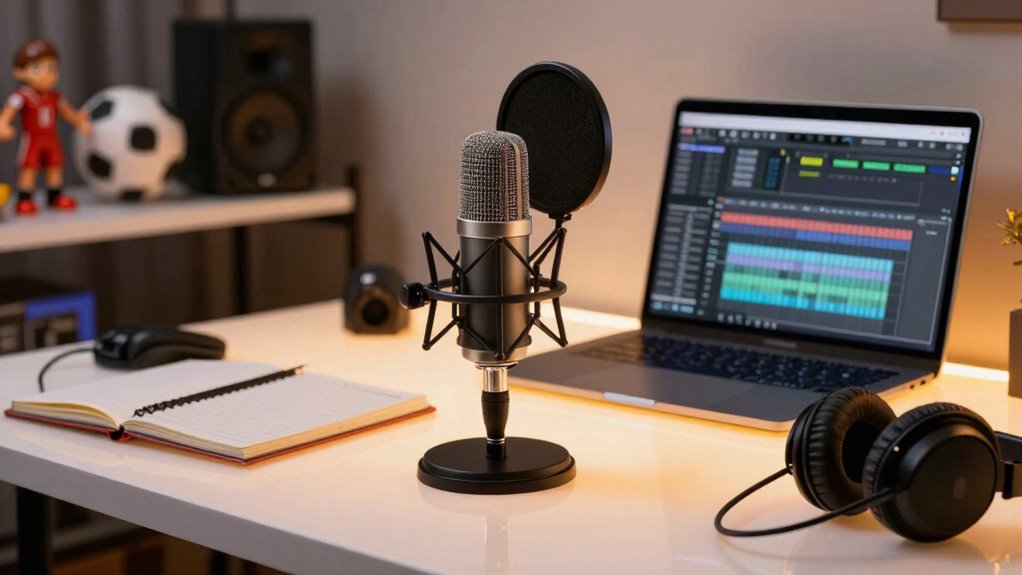
To improve your sports podcast sound quality without new mics, start by optimizing your recording environment with soft materials like blankets or foam panels to absorb reflections. Use editing software to trim pauses, remove static, and balance audio levels. Encourage your guests to speak into their microphones and avoid background noise. Test your equipment beforehand to catch issues early. Fine-tuning these aspects can make a big difference—keep exploring for more tips to elevate your show.
Key Takeaways
- Optimize your recording environment with sound-absorbing materials and minimize background noise for clearer audio.
- Use proper microphone techniques, like speaking directly into the mic and maintaining consistent distance.
- Balance and edit audio levels to ensure uniform volume and remove distracting noises or interruptions.
- Conduct remote interviews in sound-treated spaces and ensure stable internet connections for better clarity.
- Develop sound editing skills to enhance voice quality, reduce noise, and produce a professional podcast without new equipment.
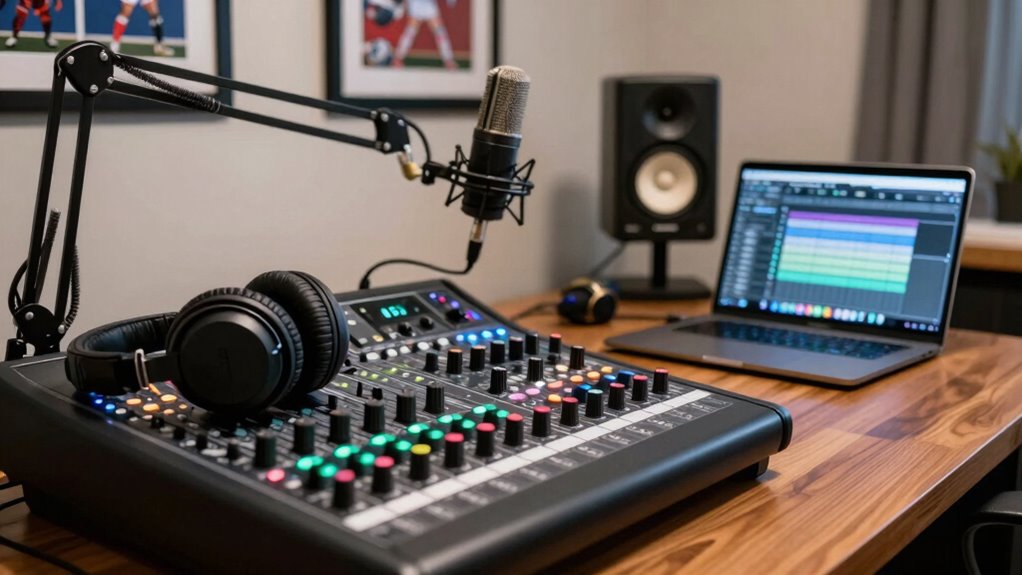
If you’re looking to elevate your sports podcast’s sound quality, upgrading your microphone isn’t the only step you should consider. Before investing in new gear, focus on optimizing your current setup through effective audio editing techniques. Proper audio editing can significantly improve clarity, reduce background noise, and create a more polished listening experience. Use editing software to trim awkward pauses, remove hiss or static, and balance audio levels. This way, even if your microphone isn’t top-tier, your overall sound will sound more professional. Pay special attention to guest interviews, ensuring each voice is clear and distinct. During recordings, position your microphone correctly and encourage your guests to speak directly into it. After recording, edit out any disruptive sounds or interruptions, and apply equalization to enhance voice quality. This not only improves the overall sound but also makes your podcast more engaging.
Additionally, focus on your recording environment. Even with a decent microphone, a noisy or echo-prone space can diminish audio quality. Use soft materials like blankets, carpets, or foam panels to absorb sound reflections. Keep your recording area as quiet as possible, turning off fans, air conditioners, or any appliances that cause background noise. When conducting guest interviews remotely, ensure both sides have a good internet connection and use quality headphones to avoid echo or feedback. Clear audio during interviews is crucial, especially since your listeners tune in to hear your guests’ insights and opinions. If you’re recording remotely, consider using a dedicated app or platform designed for high-quality audio, which can help minimize lag or distortion. Paying attention to audio environment factors and utilizing proper soundproofing techniques can make a significant difference in overall sound clarity. Additionally, practicing proper microphone technique can help you capture cleaner audio from the start.
To further enhance your audio quality, consider investing in sound editing skills to better manage your recordings and make your podcast stand out. Remember that a consistent, crisp sound depends on good preparation. Test your audio equipment before each recording, and guide your guests on best practices for capturing clear sound. Encourage them to speak into their microphones and avoid background distractions. When editing, focus on maintaining natural voice dynamics while removing unnecessary noise. This approach ensures your content sounds professional without overly processed audio. Improving your sports podcast’s sound quality doesn’t require expensive microphones right away. With proper audio editing, attention to your recording environment, and effective management of guest interviews, you create a more enjoyable experience for your listeners and set a solid foundation for future upgrades.
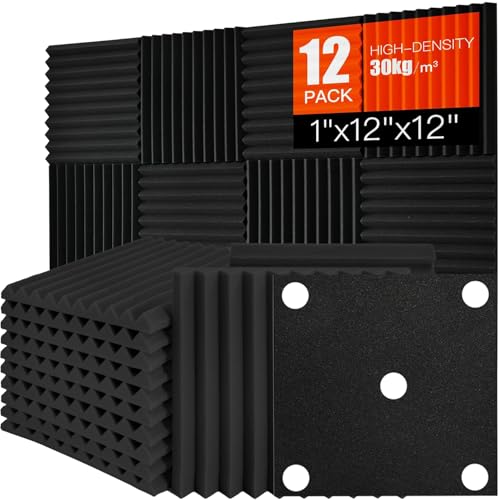
Saiqiang Acoustic Foam Panels Sound Absorbing 12 Pack – 1" X 12"X 12" Sound Proof Panels Noise Reducing for Walls, High Density Sound Deadening Panels Black Wedge for Studio Recording & Office & Home
- Professional Sound Absorption: Reduces echo in studios and podcasts
- Fire-Resistant Studio Foam: Safe, durable panels for home theaters
- Noise Control for Living Spaces: Softens noise in apartments and bedrooms
As an affiliate, we earn on qualifying purchases.
As an affiliate, we earn on qualifying purchases.
Frequently Asked Questions
How Can I Increase Listener Engagement Without Changing My Microphone?
You can boost listener engagement by increasing audience interaction through live Q&A sessions, polls, and social media engagement. Additionally, offering content variety keeps your listeners interested—cover different sports topics, interview guests, or share behind-the-scenes stories. These strategies make your audience feel involved and valued, encouraging them to tune in regularly. Focus on creating an interactive, diverse content experience to strengthen your podcast’s connection with your audience without needing new microphones.
What Editing Techniques Improve Audio Quality in Sports Podcasts?
To improve your sports podcast’s audio quality, focus on effective audio editing techniques like noise reduction to eliminate background sounds. Use equalization to enhance voices and clarity, and apply compression to balance volume levels. Editing out pauses and irrelevant content keeps your podcast engaging. These steps guarantee your audio sounds professional and polished, making it easier for listeners to stay engaged and enjoy the content without distractions.
How Do I Choose the Best Podcast Hosting Platform?
Choosing the best podcast hosting platform might seem simple, but it’s actually your secret weapon. Ironically, the platform’s branding and audience analytics tools can make or break your podcast’s growth. Look for a host that offers strong podcast branding options and insightful audience analytics, so you understand your listeners and refine your content. Don’t settle—pick a platform that helps you stand out, grow, and truly connect with your audience.
What Are Common Mistakes to Avoid in Podcast Production?
You should avoid common podcast production mistakes like neglecting audio consistency and skipping equipment calibration. Poor audio quality can turn listeners away, so regularly check your levels and sound clarity. Don’t overlook the importance of calibrating your microphones and equipment to guarantee professional-sounding episodes. Also, steer clear of inconsistent editing or background noise, which can disrupt listener engagement. Focusing on these areas helps create a polished, enjoyable podcast.
How Can I Promote My Sports Podcast Effectively?
You can promote your sports podcast effectively by leveraging social media platforms to share clips, updates, and engaging content that attracts fans. Reach out to guest interviews with popular sports figures or experts, and encourage them to promote the episode. Consistently interact with your audience, use relevant hashtags, and post regularly to build a loyal community. These strategies will boost visibility and grow your listener base organically.
Conclusion
Before rushing out to buy new mics, take a moment to fine-tune your current setup. Imagine your voice as a clear stream flowing smoothly through a well-maintained pipe—no echoes, no static. With a few simple tweaks, you can transform your recordings into crisp, engaging conversations that draw listeners in like a stadium full of cheering fans. Sometimes, the best upgrade starts with your existing gear, not the latest shiny toy.