

When you interview a podcaster on handling bias, you’ll find they emphasize the importance of self-awareness and preparation. They avoid leading questions and focus on active listening to prevent bias from influencing their content. Transparency and audience feedback play key roles in maintaining neutrality; podcasters openly share their methods and adjust based on listener input. If you pay attention to their approach, you’ll discover practical techniques to produce honest, balanced content that builds trust, and there’s more to learn on this topic.

Get sports gear delivered free — and shop member deals
- Fast, free delivery on millions of items
- Access to Prime Big Deal Days deals on October 6–7
- Prime Video, Amazon Music and more included
Key Takeaways
- Prepare neutral, open-ended questions to minimize leading language and encourage diverse perspectives.
- Practice active listening to avoid steering conversations based on personal biases.
- Reflect on personal beliefs beforehand to identify and mitigate potential biases during interviews.
- Share with listeners the steps taken to ensure objectivity and how feedback influences content.
- Acknowledge and address biases openly to demonstrate transparency and build audience trust.
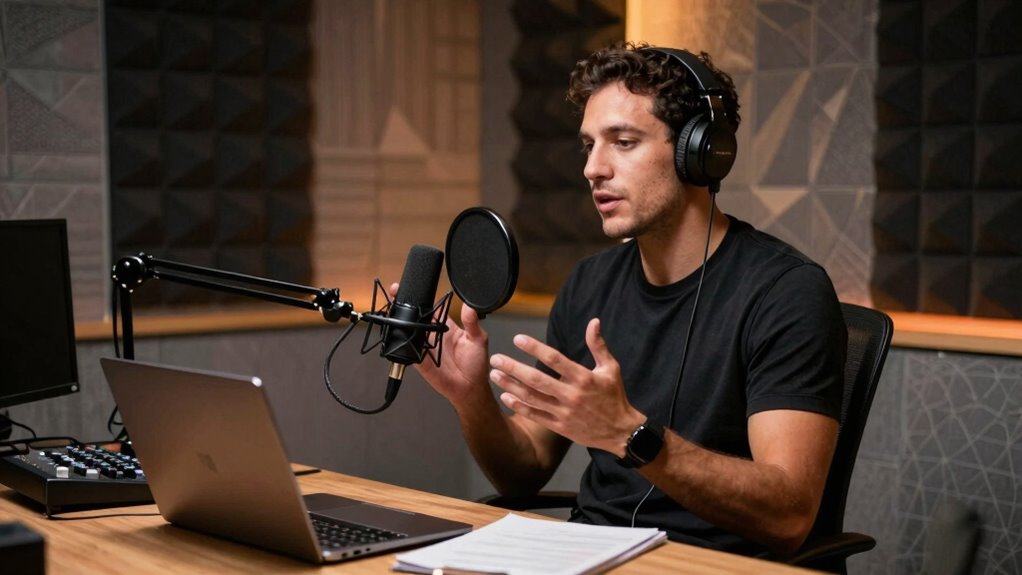
In the world of podcasting, handling personal bias is essential to maintaining credibility and delivering balanced content. As a podcaster, you’re constantly navigating your own perspectives while aiming to present information fairly. Listener feedback plays a crucial role here; it helps you understand how your audience perceives your neutrality and whether your bias influences their experience. Paying attention to this feedback allows you to adjust your approach and ensure your content remains trustworthy. It’s also a way to foster transparency, showing your audience that you’re open to critique and committed to objectivity.
When it comes to conducting interviews, your techniques matter greatly in managing bias. Effective interview techniques involve preparing thoughtful questions that avoid leading or loaded language. Instead of steering the conversation toward your own opinions, focus on open-ended questions that invite guests to share their insights freely. This approach minimizes the risk of imposing your bias and encourages diverse perspectives, which enriches your content. During interviews, actively listening to your guests rather than planning your next question allows you to respond genuinely, rather than steering the discussion in a biased direction. Recognizing the importance of content neutrality can help you stay focused on delivering balanced information. Being aware of your own personal beliefs and assumptions related to your topic is also crucial in preventing unintentional influence on your interviews. Incorporating self-awareness practices can further strengthen your ability to identify and manage bias effectively.
Handling bias also requires self-awareness. Before recording, reflect on your own beliefs and assumptions related to your topic. Recognize where your biases might unintentionally influence your questions or reactions. This awareness helps you craft interview questions that are neutral and balanced. It also encourages you to be more receptive to viewpoints that challenge your own, fostering a more objective and fair discussion.
Furthermore, transparency with your audience about your approach can build trust. Sharing how you handle bias, including how you incorporate listener feedback and employ careful interview techniques, demonstrates your commitment to fairness. If you make a mistake or realize a bias has crept into your content, acknowledge it openly. This honesty not only improves your credibility but also encourages your audience to engage more critically and thoughtfully with your shows.
Ultimately, managing personal bias in podcasting isn’t about eliminating your perspective entirely; it’s about being intentional and conscientious in how you present information. Use listener feedback to refine your approach, adopt thoughtful interview techniques, and stay aware of your own biases. These practices will help you produce content that’s honest, fair, and engaging—building trust with your audience and enhancing your reputation as a credible, balanced podcaster.
Frequently Asked Questions
How Do You Choose Guests to Ensure Diverse Perspectives?
You prioritize guest selection by actively seeking out individuals from diverse backgrounds, experiences, and viewpoints to guarantee perspective diversity. You research potential guests beyond the usual circles and intentionally reach out to underrepresented voices. By asking open-ended questions and fostering a welcoming environment, you create space for varied insights. This approach helps you maintain a balanced, inclusive conversation, enriching your podcast and broadening your listeners’ understanding of different perspectives.
What Tools Do You Use to Identify Your Own Biases?
To identify your biases, you actively reflect on your implicit assumptions and recognize cognitive distortions that may influence your perspective. You might keep a journal to track your reactions or seek feedback from diverse colleagues to challenge your views. You also use tools like bias awareness exercises and mindfulness practices to stay aware of subtle biases. This ongoing process helps you stay conscious of how implicit assumptions shape your content and conversations.
How Do You Handle Listener Feedback About Perceived Bias?
You handle listener feedback about perceived bias by actively engaging with your audience and valuing their perspectives. Studies show that 75% of listeners appreciate transparency and open dialogue. You implement feedback strategies like responding promptly, clarifying your intentions, and adjusting content when necessary. This approach fosters trust, encourages ongoing audience engagement, and demonstrates your commitment to fair, unbiased storytelling—making your podcast a space for diverse voices and honest conversations.
What’s Your Process for Reviewing Episode Content for Bias?
You review episode content by first ensuring narrative balance, presenting diverse perspectives fairly. Then, you verify facts meticulously, cross-checking sources to prevent misinformation. You listen critically to identify any unintentional bias, adjusting the script or interview questions accordingly. This process helps maintain credibility and trust with your audience, showing your commitment to fairness and accuracy. Regularly revisiting your content approach keeps your podcast objective and engaging.
How Has Handling Bias Impacted Your Podcast’s Growth?
Handling bias has positively impacted your podcast’s growth by strengthening audience engagement through transparency and trust. When you openly address ethical considerations, listeners appreciate your honesty, which encourages loyalty and sharing. This authentic approach fosters a deeper connection, attracting a broader audience. As a result, your podcast gains credibility and relevance, ultimately fueling its growth while demonstrating your commitment to ethical storytelling and responsible content creation.
Conclusion
So, after chatting with this podcaster, you realize that even in the quest for truth, bias sneaks in like an uninvited guest at a party. You think you’re steering clear, but suddenly, your own perspectives are subtly steering the ship. It’s almost ironic—seeking objectivity while unknowingly dancing to your personal tune. In the end, handling bias isn’t about perfection but about keeping your eyes open and your ears tuned, even when the music sounds familiar.
Halloween Picks
halloween
As an affiliate, we earn on qualifying purchases.