Finding the best VR headset for 360 sports videos requires balancing visual clarity, field of view, and compatibility. The Meta Quest 3 stands out as the overall best due to its versatile standalone design and strong content ecosystem. For broader immersive visuals, the Pimax Crystal offers ultra-high resolution and wide FOV, ideal for detailed sports footage. However, tradeoffs include higher cost and setup complexity. Continue reading for a detailed breakdown of each option to match your needs and budget.

Get sports gear delivered free with Prime
- Fast, free delivery on millions of items
- Prime Video, Amazon Music and more included
- Member-only deals all year
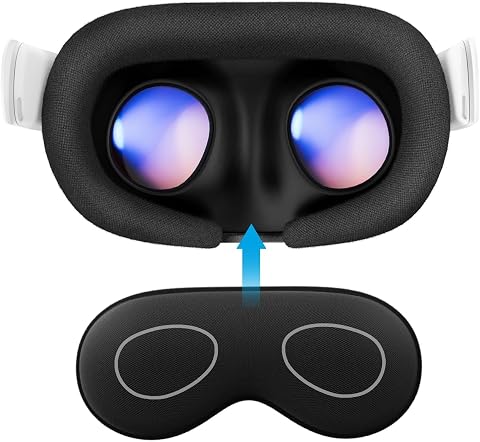
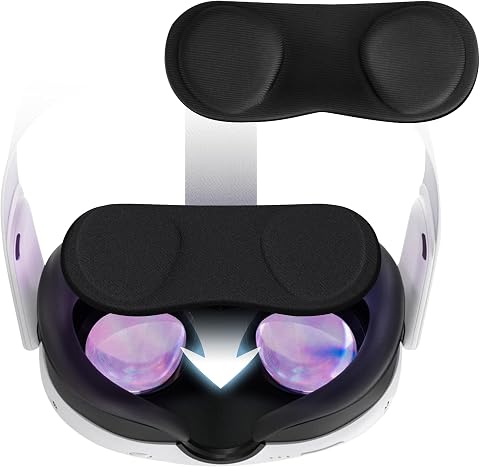
Complete the kit

Key Takeaways
- High resolution and wide FOV significantly enhance the 360 sports viewing experience, with the Pimax models leading in these areas.
- Standalone headsets like Meta Quest 3 offer convenience but may sacrifice some visual fidelity compared to PC-tethered options.
- Compatibility with smartphones and PCs varies; choose based on your preferred viewing setup and portability needs.
- Price ranges widely, with premium models delivering better visuals at a higher cost, while budget options focus on affordability.
- Features like adjustable pupil distance and anti-blue light improve comfort and reduce eye strain during long sports sessions.


| vr headset for 360 sports video | Field of View |
|---|---|
| Pimax Crystal Super VR Headset | 106° |
| 360° Panorama VR Headset 3D VR | — |
| VR Headset 3D VR Glasses Virtu | 360° panoramic |
| Pimax Crystal Super VR Headset | 140° |
| Meta Quest 3 512GB Virtual Rea | — |
| Meta Quest 3S 128GB Virtual Re | — |
| Meta Quest 3S 128GB Virtual Re | — |
| VR Headset | 90 degrees |
More Details on Our Top Picks
Pimax Crystal Super VR Headset, 3840×3840 Resolution per Eye, 106° Wide Field of View, Ideal for Flight Simulators & VR Games
The Pimax Crystal stands out for its ultra-sharp 3840×3840 resolution per eye and expansive 106° field of view, making it ideal for those who prioritize visual clarity in 360 sports videos. Compared to the Meta Quest 3, it offers superior resolution and a wider FOV, though it demands a more powerful PC and involves a more complex setup. This headset excels for users who want detailed, immersive visuals and are willing to handle higher costs and setup complexity. Its flexible tracking options and comfort features support extended viewing sessions, but the reliance on external sensors can be a hurdle for some.
Pros:- Ultra-high resolution eliminates screen-door effect
- Wide 106° FOV enhances peripheral immersion
- Flexible tracking and eye-tracking support
- Customizable comfort features
Cons:- Requires a powerful gaming PC
- Complex setup with calibration and sensors
- High price point may be prohibitive for casual users
Best for: Avid sports fans and VR enthusiasts seeking the most detailed 360 video experience with a high-end PC setup
Not ideal for: Casual viewers or those new to VR who prefer simple, wireless solutions without complex calibration
- Resolution per Eye:3840×3840
- Field of View:106°
- Refresh Rate:72Hz and 90Hz
- IPD Range:58-72mm
- Display Technology:QLED+MiniLED
- Tracking Support:Lighthouse Solution Limited
Our verdict“This headset is best suited for serious VR users demanding top-tier visual fidelity and wide FOV for 360 sports videos.”
360° Panorama VR Headset 3D VR Glasses
The 360° Panorama VR Headset offers an accessible way to enjoy 360 sports videos with its large, immersive screen. While it lacks detailed specifications and advanced tracking, it provides a straightforward experience suitable for casual viewing. Compared with the Pimax Crystal, it sacrifices resolution and tracking precision for affordability and ease of use. This model makes sense for viewers who primarily want a panoramic view without the need for high-end features or complex setup. However, its comfort and durability might be less suited for long sessions or frequent use.
Pros:- Immersive 360-degree viewing
- Large screen enhances visual engagement
- Simple, plug-and-play design
Cons:- Lack of detailed technical specs
- Potential comfort issues during prolonged use
Best for: Casual sports fans wanting an easy, immersive 360 viewing experience without high costs
Not ideal for: Users seeking detailed visuals or advanced tracking features for active VR sports content
Our verdict“This headset is suitable for casual viewers who prioritize ease of use over advanced features for 360 sports videos.”
VR Headset 3D VR Glasses Virtual Reality Goggles with Adjustable Pupil Distance and Anti-Blue Light
The VR Headset 3D VR Glasses is perfect for mobile users, supporting smartphones from 4.7 to 7 inches and offering adjustable interpupillary distance. Compared to dedicated PC or high-end headsets like the Pimax models, it sacrifices resolution and tracking precision for portability and affordability. It’s ideal for casual viewers who want a comfortable, lightweight option for viewing 360 sports videos on their smartphones. However, it’s limited in scope, with no standalone capabilities, and prolonged use may still cause eye fatigue despite anti-blue light features.
Pros:- Supports a wide range of smartphone sizes
- Adjustable interpupillary distance enhances clarity
- Lightweight and portable design
- Blue light protection reduces eye strain
Cons:- Dependent on a compatible smartphone
- Limited to mobile VR experiences
- Potential visual fatigue with extended use
Best for: Mobile sports enthusiasts seeking a portable, adjustable headset for casual 360 videos
Not ideal for: Those wanting high-end resolution or tracking features for active VR sports engagement
- Compatibility:4.7-7 inch smartphones
- Weight:Lightweight
- Adjustable Pupil Distance:Yes
- Anti-Blue Light:Yes
- Field of View:360° panoramic
Our verdict“This headset is best for casual mobile viewers who want adjustable comfort and eye protection for 360 sports videos.”
Pimax Crystal Super VR Headset, 3840×3840 per Eye, Ultrawide, 140° FOV, Eye-Tracking, PC Compatible
The Pimax Crystal with a 140° field of view is tailored for users seeking maximum peripheral immersion, especially in flight and racing simulations. Its 3840×3840 resolution per eye ensures exceptional visual clarity, surpassing the Meta Quest 3 in detail and FOV. Compared to other high-end headsets, it offers dynamic FOV adjustments and eye-tracking, but it demands a powerful PC, making it less suitable for casual users. This pick is perfect for those who value an ultra-wide view for immersive sports videos, yet it involves a significant investment and setup effort.
Pros:- Exceptionally wide 140° FOV for peripheral awareness
- High resolution eliminates screen-door effect
- Advanced eye-tracking with enhanced realism
- Comfortable ergonomic design
Cons:- Requires high-end PC with strong GPU
- High cost and complexity
- Limited standalone functionality
Best for: Enthusiasts focused on ultra-wide, high-fidelity 360 sports videos and flight simulator fans with powerful PCs
Not ideal for: Casual viewers or those with limited hardware who prefer plug-and-play options
- Resolution:3840×3840 per eye
- Field of View:140°
- Display Technology:QLED & Mini-LED with Local Dimming
- Refresh Rate:90Hz and beyond
- Tracking:Inside-Out
- Connectivity:DisplayPort (DP)
Our verdict“This headset is ideal for users demanding maximum FOV and resolution for immersive 360 sports videos, prepared for a more complex setup.”
Meta Quest 3 512GB Virtual Reality Headset with Gorilla Tag Bundle
The Meta Quest 3 delivers a wireless, standalone experience with stunning 4K+ graphics and a substantial 512GB storage. Compared to wired or PC-tethered options like the Pimax models, it offers unmatched mobility and ease of use for casual 360 sports videos, especially with its dual RGB cameras supporting mixed reality. While its resolution is impressive, it doesn’t match the pixel density of high-end PC headsets, and battery life may limit long viewing sessions. This headset is best for those who want convenience and a rich library of VR content without fuss.
Pros:- Wireless, untethered experience
- High-resolution 4K+ display
- Large 512GB storage capacity
- Includes popular Gorilla Tag bundle
Cons:- Battery life may restrict long sessions
- Cost could be high without clear pricing info
- Limited hardware customization compared to PC-tethered headsets
Best for: Casual sports fans wanting a high-quality, untethered VR experience with ample storage
Not ideal for: VR enthusiasts seeking maximum resolution or advanced tracking for professional-grade sports analysis
- Storage:512GB
- Memory:8GB RAM
- Display:4K+ Infinite Display
- Processor:Snapdragon XR2 Gen 2
- Battery Life:2+ hours
- Cameras:Dual RGB color cameras
Our verdict“This headset suits casual users who prioritize convenience, wireless freedom, and high-resolution visuals for 360 sports videos.”
Meta Quest 3S 128GB Virtual Reality Headset with Gorilla Tag Bundle
This version of the Meta Quest 3S stands out as the best overall choice for 360 sports video because of its untethered design, allowing me to move naturally without cables, which is essential for an immersive sports viewing experience. Compared with the renewed Meta Quest 3S, this model offers the same powerful Snapdragon XR2 Gen 2 processor and 128GB storage, but the bundle with Gorilla Tag adds a fun, active element that complements sports videos. Its 2+ hours of battery life is decent, though extended sessions might require breaks. The headset’s wireless freedom makes it easier to enjoy dynamic sports content in a space that mimics real-life motion, unlike tethered options like the Pimax Crystal, which are less portable. However, setup requires space and a bit of calibration. This pick is ideal for users seeking a versatile, cable-free VR experience with a focus on active viewing and gaming.
Pros:- Wireless, untethered experience for full freedom of movement
- Powered by Snapdragon XR2 Gen 2 for enhanced graphics and faster load times
- Includes exclusive Gorilla Tag bundle and 3-month game trial
Cons:- Battery life may not suffice for extended marathon sessions
- Requires a dedicated space and setup for optimal use
Best for: Sports enthusiasts who want a wireless, immersive experience with a variety of active VR content
Not ideal for: Users who prefer ultra-high resolution visuals or long gaming sessions without recharging, as battery life is somewhat limited
- Storage:128GB
- Memory:8GB RAM
- Battery Life:2+ hours
- Processor:Snapdragon XR2 Gen 2
- Cameras:Dual RGB color cameras
- Included:Gorilla Tag bundle, 3-month game trial
Our verdict“This headset suits those seeking a flexible, wireless VR option tailored to active sports viewing and casual gaming.”
Meta Quest 3S 128GB Virtual Reality Headset (Renewed Premium)
This renewed Meta Quest 3S offers a compelling package for those who prioritize visual clarity and fluid motion, making it a strong contender for 360 sports videos. Its 2064 × 2208 LCD display and 90Hz refresh rate deliver sharper images and smoother playback than basic smartphone-based options like the universal 3D VR goggles, which are limited by smartphone resolution and display quality. The 8GB RAM enhances performance, reducing lag during fast-paced sports clips. While the battery life exceeds 2 hours, it still demands occasional recharging, unlike tethered PC VR headsets like the Pimax Crystal, which can run longer with external power. The headset’s design might be bulkier for some users, and it’s priced higher, especially in renewed condition. This model makes the most sense for viewers seeking high fidelity and a seamless experience with minimal setup hassle.
Pros:- High-resolution display for sharp, detailed sports videos
- Smooth visuals with 90Hz refresh rate
- Includes 8GB RAM for better multitasking and performance
Cons:- Battery life is limited to about 2+ hours, requiring frequent charging
- Bulky design may cause discomfort during prolonged use
Best for: Sports fans who want crisp visuals and smooth playback in a wireless VR headset
Not ideal for: Those requiring ultra-wide FOV or extended gaming hours, as battery life and field of view are somewhat limited
- Storage Capacity:128GB
- Display Resolution:2064 × 2208 pixels
- Display Type:LCD
- Screen Size:2.5 inches
- Refresh Rate:90Hz
- Battery Life:Over 2 hours
Our verdict“Best suited for viewers prioritizing display quality and smooth motion over extended playtime or ultra-wide FOV.”
VR Headset, Universal 3D Virtual Reality Goggles with 360° Panorama, Adjustable Pupil Distance, Anti-Blue Light, Compatible with Smartphones 4.7-7 inches
This lightweight, smartphone-compatible VR headset is ideal for casual sports video viewers who want an easy-to-carry solution. Its 90-degree FOV and 1280 x 720 resolution per eye are modest compared to dedicated VR headsets like the Meta Quest 3S but still deliver an immersive panoramic experience for quick, casual viewing. The adjustable pupil distance and anti-blue light lenses improve visual comfort, making it suitable for children and adults alike. Compared with more advanced standalone headsets, this option sacrifices resolution and features for affordability and portability. It’s not suited for high-intensity sports or extended viewing sessions, as the smartphone’s performance limits overall quality. This headset makes the most sense for users seeking an inexpensive, portable way to enjoy 360 sports videos on the go.
Pros:- Supports a wide range of smartphones (4.7-7 inches)
- Adjustable interpupillary distance for clear viewing
- Lightweight and portable, ideal for indoor and outdoor use
Cons:- Limited resolution (1280 x 720 per eye), less detailed than dedicated VR headsets
- No built-in audio or advanced tracking features
Best for: Budget-conscious users who want a simple, portable VR solution for casual sports videos
Not ideal for: Serious sports fans or those seeking high-resolution, immersive VR experiences, due to limited display quality and features
- Field Of View:90 degrees
- Maximum Resolution:1280 x 1080 per eye
- Display Type:LCD
- Compatibility:Smartphones with 4.7-7 inches screen
- Item Weight:0.18 kg
- Display Resolution:1280 x 720 per eye
Our verdict“This headset is perfect for casual users wanting an inexpensive, portable way to enjoy simple 360 sports videos.”

How We Picked
The products in this roundup were selected based on their ability to deliver immersive 360 sports videos, prioritizing resolution, field of view, comfort, and compatibility. We evaluated each headset’s display quality, ease of use, and versatility across different viewing environments. Additional considerations included build quality, price point, and user feedback. The ranking reflects a balance of performance and value, aiming to guide both casual viewers and avid sports fans seeking premium quality or budget-friendly options.Factors to Consider When Choosing Best Vr Headset For 360 Sports Video
Choosing the right VR headset for 360 sports videos involves weighing several factors beyond basic specs. Understanding your typical usage, content preferences, and setup environment can help narrow options. This guide covers key considerations to help you make a well-informed decision, avoiding common pitfalls and ensuring you get the best viewing experience for your investment.Resolution and Visual Fidelity
Clear, sharp visuals are essential for enjoying detailed sports footage. Look for headsets with high resolution per eye—ideally 2160×2160 or higher—to avoid pixelation and blurriness. Remember, higher resolution often comes with increased cost and hardware demands, especially for PC-tethered models. Striking a balance between resolution and compatibility will help you enjoy crisp videos without unnecessary expense or setup complexity.
Field of View (FOV)
A wider FOV provides a more immersive experience, making you feel like you’re truly inside the game or sports event. Most premium models offer a FOV of 110° or more, with some reaching 140°, which can significantly enhance the sense of presence. However, wider FOV headsets tend to be bulkier and may require more adjustment for comfort. Consider your comfort preferences alongside the immersive benefits of a broader view.
Compatibility and Setup
Think about how you plan to use the headset—standalone, PC-connected, or smartphone-based. Standalone devices like the Meta Quest series are convenient and portable but might limit visual quality slightly. PC-tethered headsets generally offer better graphics at the cost of needing a powerful PC and cables. Smartphone-based options are the most affordable but may lack the immersive depth needed for high-quality sports videos. Match your setup preferences with the headset’s compatibility for smoother experiences.
Comfort and Fit
Sports viewing sessions can last a while, so comfort is key. Features like adjustable straps, padding, and pupil distance settings improve fit and reduce fatigue. Eye comfort is further enhanced by anti-blue light filters, especially during extended viewing. Don’t overlook the weight and ergonomics, as uncomfortable headsets can detract from the enjoyment of your sports content over time.
Price and Value
Budget varies widely among VR headsets, from affordable smartphone adapters to high-end PC-tethered models. Consider how much you’re willing to invest in visual quality and convenience. Sometimes, spending more yields a significantly better experience, especially with high-resolution, wide-FOV headsets. Conversely, budget options can still offer decent immersion if you primarily watch casual sports videos or are just starting out.
Frequently Asked Questions
Can I use a VR headset for live sports events in 360?
Yes, many VR headsets support live 360 sports broadcasts, provided the streaming app or platform is compatible. Ensure your device has a stable internet connection and sufficient processing power for smooth playback. Some headsets also offer features like 3D spatial audio, which can enhance the realism of live sports in 360. Confirm that your chosen headset supports the specific streaming services you plan to use for the best experience.
Is a higher FOV better for watching sports videos?
Generally, yes. A wider FOV creates a more immersive experience, making you feel closer to the action. However, extremely wide FOV headsets can be bulkier and may require more adjustment for comfort. Additionally, a wider FOV doesn’t improve resolution, so you should balance it with visual clarity to avoid a distorted or blurry view. The ideal setup depends on your preference for immersion versus comfort and ease of use.
Do I need a powerful PC to enjoy 360 sports videos in VR?
Not necessarily. Standalone headsets like the Meta Quest series can run 360 sports videos without a PC, offering great convenience. However, for higher resolution and FOV, PC-connected headsets like Pimax models provide superior quality but require a powerful computer. If you already own a capable PC, investing in a tethered headset could enhance your viewing experience, but for casual use, standalone options are often sufficient.
Are there any health concerns with long sports viewing sessions in VR?
Extended VR use can cause eye strain, fatigue, or discomfort if not managed properly. Features like adjustable pupil distance and anti-blue light filters help mitigate these issues. It’s advisable to take regular breaks, especially during long viewing sessions, and ensure the headset fits comfortably. Paying attention to your body’s signals can prevent discomfort and make your sports viewing more enjoyable.
How important is the app ecosystem for watching sports in VR?
The availability of apps and streaming platforms is vital for accessing diverse sports content. Headsets with robust ecosystems, like Meta Quest, support a variety of streaming apps and social platforms, making it easier to find and watch 360 sports videos. Check compatibility with your preferred services before buying, ensuring you won’t be limited or frustrated by unavailable content. A rich app ecosystem greatly enhances the overall experience and value of your headset.
Conclusion
For casual viewers or newcomers, the Meta Quest 3 offers a compelling blend of convenience, content, and affordability, making it the best overall choice. If visual fidelity and immersive depth are your priorities, the Pimax Crystal lineup provides ultra-high resolution and wide FOV, ideal for serious sports enthusiasts willing to invest more. Budget-conscious buyers should consider smartphone-compatible models, which still deliver decent 360 sports experiences without breaking the bank. For those seeking premium features or extended comfort, high-end PC-tethered headsets are worth the investment, especially for avid fans who want the most immersive viewing possible. Ultimately, your choice depends on your budget, setup, and how deeply you want to engage with 360 sports videos in VR.