
Parasocial relationships with online personalities can deeply influence your activism and social engagement. As you follow influencers, these one-sided bonds foster a sense of connection and trust, motivating you to support causes like climate change or social justice. Advanced content technology makes these relationships feel real, inspiring collective action. When you see the impact of these online bonds, you’ll realize how they can drive meaningful social change—if you continue exploring, you’ll understand how to harness this power effectively.

Get sports gear delivered free — and shop member deals
- Fast, free delivery on millions of items
- Access to Prime Big Deal Days deals on October 6–7
- Prime Video, Amazon Music and more included
Key Takeaways
- Parasocial relationships with influencers can motivate followers to engage in activism and social change initiatives.
- Online communities fostered through parasocial bonds create spaces for collective action on social issues.
- Trusted influencers leverage these bonds to raise awareness and mobilize followers for causes like climate justice and mental health.
- While encouraging activism, parasocial relationships risk promoting uncritical support without genuine understanding.
- Recognizing the power of digital influence allows for more deliberate and impactful activism within online communities.
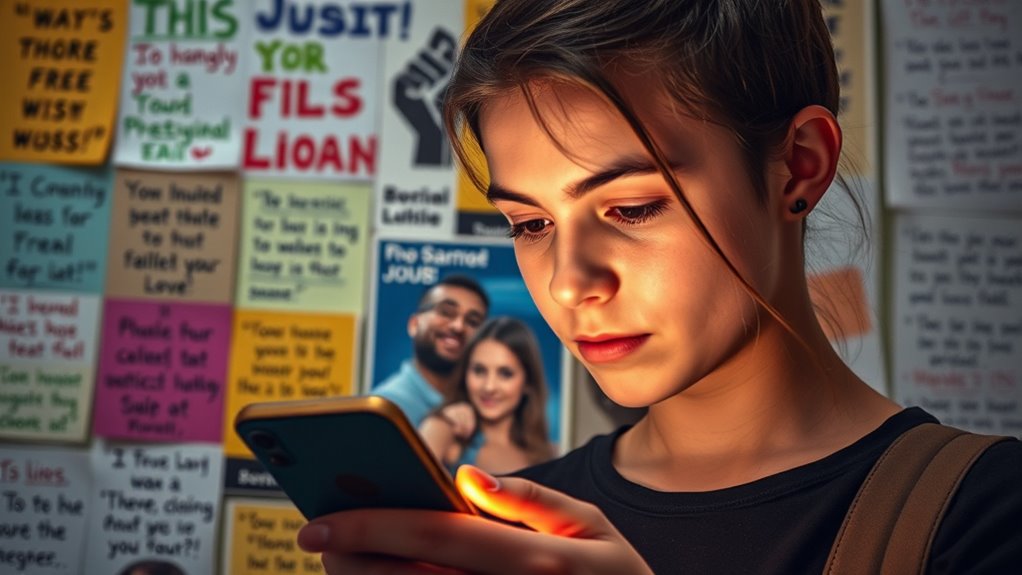
Have you ever felt a strong connection to a social media influencer or online personality, even though you’ve never met them in person? That feeling is a prime example of how digital influence shapes our perceptions and relationships. When you follow someone online, you’re not just consuming content—you’re engaging with a persona that often feels real and relatable. These online communities foster a sense of belonging, allowing you to share experiences, opinions, and emotions with others who feel similarly connected. Over time, this creates a kind of parasocial relationship, where you develop a one-sided bond with an influencer who may never know you personally. It’s remarkable how these virtual connections can feel so genuine, blurring the lines between online and offline worlds. Additionally, the role of content technology significantly enhances the immersive quality of these relationships, making online personas feel even more real.
This digital influence can be powerful, especially when it comes to activism. Influencers often leverage their platforms to raise awareness about social issues, mobilize followers, and inspire action. Because they have cultivated trust and loyalty within their online communities, their messages can resonate deeply. When you see a trusted influencer speak out about climate change, social justice, or mental health, you’re more likely to pay attention and consider participating in related activism. Their online presence acts as a catalyst, transforming passive followers into active participants. This dynamic demonstrates how online communities can serve as fertile ground for social change, driven by the personal connection you feel with the influencer.
However, these parasocial relationships can be a double-edged sword. While they can motivate activism and foster community, they might also lead to blind loyalty or uncritical support. You may find yourself echoing an influencer’s messages without fully understanding the issues or questioning the motives behind their activism. It’s essential to stay aware of this potential for bias, ensuring your support is rooted in genuine understanding rather than just admiration. Still, when used thoughtfully, these relationships can amplify voices that might otherwise go unheard. They create a space where you can learn, discuss, and act collectively, all within the framework of online communities.
In the end, your connection with online personalities isn’t just about entertainment; it’s a reflection of how digital influence can shape your worldview and inspire activism. These virtual bonds, built within online communities, have real power to foster change. Recognizing the influence of parasocial relationships helps you engage more critically and meaningfully with the online world, turning admiration into action that extends beyond screens.
Top picks for "parasocial relationship activism"
As an affiliate, we earn on qualifying purchases.
Frequently Asked Questions
How Do Parasocial Relationships Influence Real-World Activism?
Your parasocial relationships with celebrities boost real-world activism by leveraging their influence and online engagement. When you follow and support these figures, their messages resonate more deeply, inspiring you to take action. Celebrity influence can mobilize their fans, encouraging participation in causes and raising awareness. This dynamic creates a powerful ripple effect, turning online admiration into tangible activism, harnessing the emotional connection to drive meaningful change.
Can Parasocial Bonds Lead to More Effective Social Change?
Yes, parasocial bonds can lead to more effective social change. When celebrity influence fosters emotional engagement, you’re more likely to feel connected and motivated to act. These bonds can inspire you to support causes, spread awareness, or participate in activism. By personalizing issues through celebrities, you’re encouraged to get involved, making social change feel more immediate and achievable because of the emotional connection you develop.
Are There Risks of Manipulation in Parasocial Activism?
Yes, there are risks of manipulation in parasocial activism. You might develop parasocial dependency on influencers, making you more susceptible to their messaging. Influencer exploitation can occur when figures leverage their followers’ trust for personal gain or to push specific agendas. Be cautious, question motives, and stay critical of the information shared, ensuring your support is genuine rather than driven by manipulation or undue influence.
How Do Online Communities Reinforce Parasocial Activism?
Online communities reinforce parasocial activism by creating a shared space where fans engage with celebrities’ endorsements and messages. You might find yourself influenced by online fan culture, which amplifies the celebrity’s voice and ideals. This environment fosters a sense of belonging and loyalty, making you more likely to support causes or adopt views promoted by celebrities. It strengthens the bond, often blurring the line between genuine support and parasocial attachment.
What Psychological Effects Do Parasocial Relationships Have on Activists?
You might think parasocial relationships boost your activism, but they can lead to emotional dependency, making you rely on online personas for validation. Ironically, this can weaken your real-world identity reinforcement, leaving you less equipped to face actual challenges. These relationships may give a false sense of connection, causing you to prioritize virtual bonds over genuine social change, ultimately impacting your mental well-being and effectiveness as an activist.
Conclusion
As you forge parasocial bonds with influencers, remember they’re like lighthouses guiding your passions. These connections can ignite your activism, turning distant images into sparks of change. But stay aware—these relationships are like shadows, not the entire landscape. Use them to fuel your drive, while always seeking your own path. Together, your actions can ripple outward, creating waves stronger than any single voice. Keep steering your own ship, even as you follow the light.
NFL season / tailgating Picks
team gear
As an affiliate, we earn on qualifying purchases.