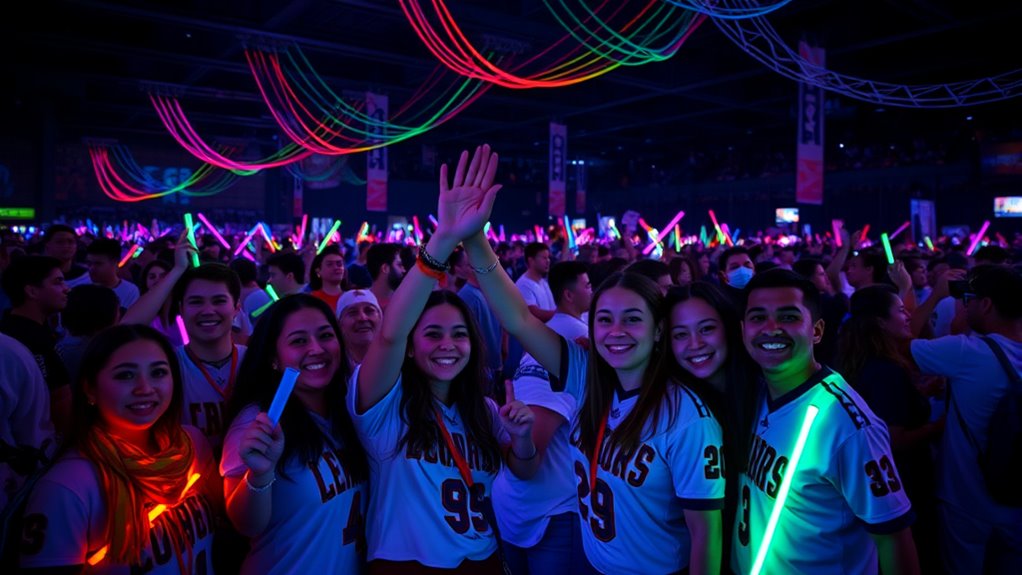

Group cohesion in fandom forms through shared rituals, collective identities, and active participation that create strong bonds among members. When you engage in fandom activities like cosplay, singing, or online challenges, you reinforce your sense of belonging and trust. These rituals serve as symbols that unite and define the community. As your group develops its identity, it deepens emotional connections and resilience. Stay with us, and you’ll discover how these elements sustain and grow fandom communities.
Key Takeaways
- Shared rituals and symbols reinforce collective identity, fostering emotional bonds among fandom members.
- Participation in fandom activities creates a sense of belonging and trust through consistent engagement.
- Collective identity shapes behaviors and interpretations, strengthening group cohesion and loyalty.
- Rituals provide tangible markers of community, enhancing recognition and solidarity within fandoms.
- Strong cohesion buffers against conflicts by promoting mutual understanding and emphasizing shared passions.
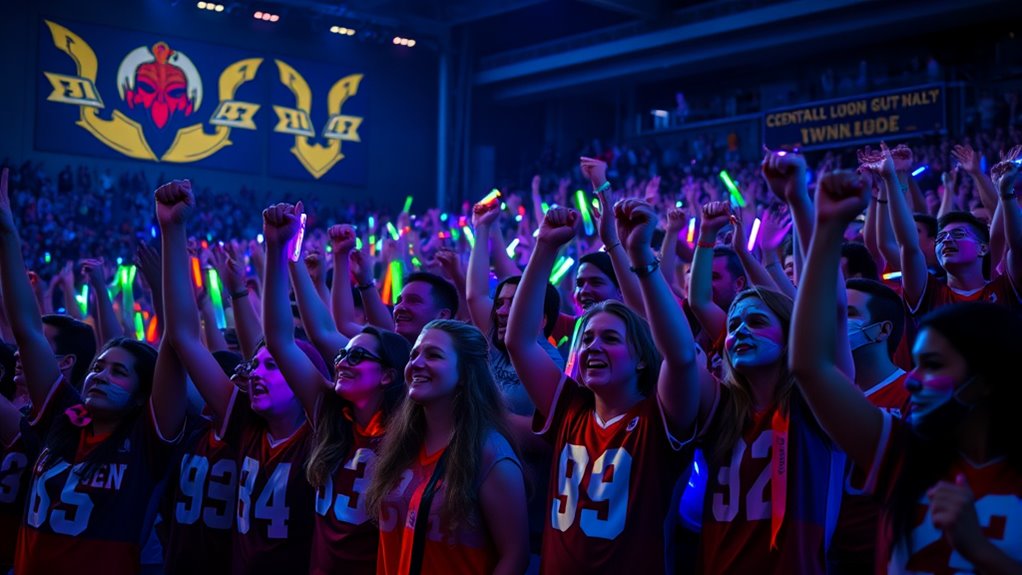
Group cohesion in fandom refers to the strong bonds that unite fans through shared interests, values, and experiences. This sense of unity isn’t accidental; it’s built through shared rituals and the development of a collective identity. When you participate in fandom activities, you often engage in rituals—whether it’s singing the anthem at a concert, dressing up for conventions, or participating in online countdowns. These rituals serve as tangible symbols of your connection to the group and reinforce your sense of belonging. They create a shared language and set of behaviors that everyone recognizes, making you feel part of something bigger than yourself.
These rituals do more than just mark special occasions; they help solidify the collective identity of the fandom. When you see others dressed in the same cosplay or singing along to the same song, you recognize that you’re part of a larger community that shares your passions. This collective identity becomes a core part of how you define yourself, shaping your behaviors and interactions within the fandom. It transforms individual interests into a shared experience, fostering trust, loyalty, and emotional investment among members. The collective identity also helps members navigate conflicts or disagreements, as a strong group identity often promotes solidarity and a sense of “us versus the world.”
You can feel this cohesion when you attend fan events or participate in online communities. The shared rituals—like posting fan art, streaming episodes together, or participating in fandom-specific challenges—serve as ongoing expressions of your unity. They create a rhythm to your engagement, strengthening bonds through repeated, meaningful actions. By embracing these rituals, you’re actively contributing to the ongoing construction of your fandom’s collective identity, which in turn sustains the group’s cohesion over time. Additionally, the use of consistent symbols and decor, similar to vintage decor in farmhouse bedroom design, reinforces this shared identity and makes the experience more immersive and memorable.
Shared rituals like fan art, streaming, and challenges strengthen bonds and sustain fandom unity over time.
Furthermore, shared rituals and collective identity influence how you interpret and respond to new content or developments in your fandom. They provide a framework for understanding what’s important, what’s acceptable, and what unites everyone. This shared understanding deepens your emotional connection and encourages ongoing participation. When you feel part of a cohesive group, your sense of belonging becomes more resilient, even in the face of disagreements or external challenges.
In essence, the strength of a fandom’s cohesion hinges on these shared rituals and collective identity. They’re the glue that keeps fans connected, fostering a community built on mutual understanding, common symbols, and collective pride. Through these shared experiences, you’re not just a passive observer—you’re an active participant in a vibrant, unified group that celebrates its passions together.

CoTeeZa Medieval Viking Leather Bracers Longship Dragon Embossed Arm Guards
- Viking-Inspired Embossed Design: Detailed Viking and medieval pattern
- Durable PU Leather Material: Sturdy, lightweight, reinforced stitching
- Adjustable Fit for Comfort: Secure straps for teens and adults
As an affiliate, we earn on qualifying purchases.
As an affiliate, we earn on qualifying purchases.
Frequently Asked Questions
How Does Online Interaction Influence Fandom Group Cohesion?
Online interaction boosts your fandom group’s cohesion by fostering virtual bonding and increasing online engagement. When you actively participate in chats, forums, or social media, you create stronger connections with other fans. This shared experience makes your group feel more unified, even from afar. As you engage regularly, you help build a sense of belonging and loyalty, strengthening your fandom community’s overall cohesion and making everyone feel more connected.
Can Group Cohesion Impact Individual Fan Behavior or Identity?
Think of your fandom as a mirror that reflects your identity. When group cohesion is strong, it reinforces your sense of belonging, shaping your behavior and beliefs. You might find yourself adopting shared values or even modulating your behavior to fit the group’s norms. This collective bond influences who you are, making your fan identity more confident and integrated, like pieces of a puzzle fitting perfectly together.
What Role Do Rituals Play in Strengthening Fandom Communities?
Rituals play a vital role in strengthening fandom communities by creating ritual symbolism that unites members. When you participate in shared rituals, like chanting, wearing team colors, or attending events, you foster community bonding. These rituals reinforce your sense of belonging, making you feel connected to others who share your passion. They serve as tangible symbols of your collective identity, deepening your commitment and enhancing the overall cohesion of the fandom.
How Does Leadership Within Fandom Groups Affect Cohesion Levels?
Leadership shapes cohesion through clear communication, inspiring trust, and fostering shared goals. When you experience strong leadership styles, you feel more connected, motivated, and valued. Fan influence amplifies this effect, as engaged members contribute to a positive atmosphere and collective identity. Leaders who listen, empower, and unify create a cohesive community, making every member feel essential, promoting loyalty, and reinforcing the bonds that keep the fandom united.
Are There Differences in Cohesion Across Different Fandom Genres or Types?
Yes, cohesion varies across fandom genres and types. You’ll find genre diversity influences how tightly members connect, with some genres fostering strong bonds through shared passions, while others show cohesion variation due to differing interests. For example, niche genres may have more intense cohesion, whereas broader genres might experience more diversity and less unity. Your engagement depends on how well the group aligns around common interests, shaping overall cohesion levels.
Conclusion
Think of your fandom as a mighty ship sailing through vast, unpredictable seas. When everyone’s oars move in sync, the vessel stays steady and strong, weathering any storm. Your shared passion is the wind that propels you forward, while trust and camaraderie are the compass guiding you home. Together, you create a crew that’s unstoppable, united by the magic of belonging. Embrace this voyage, and your group will always find its way, no matter the tides.