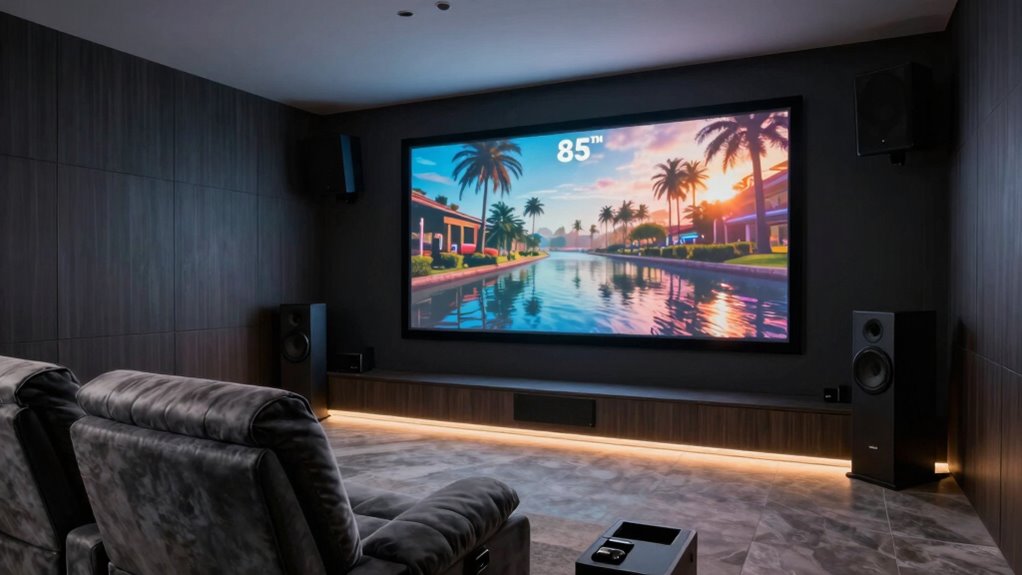

Many people think that boosting power wattage or using high-end equipment will automatically improve home theater sound quality. However, it’s not just about raw power; the quality and stability of your power supply matter more. Electrical noise, poor grounding, or unstable power can cause hums, distortion, and reduced clarity. Focus on proper grounding, shielding, and power conditioning to truly enhance your system’s performance. Keep exploring to discover how to get the best sound experience.

Get sports gear delivered free with Prime
- Fast, free delivery on millions of items
- Prime Video, Amazon Music and more included
- Member-only deals all year
Key Takeaways
- Higher wattage does not guarantee better sound quality; stable and clean power is more important.
- Electrical noise from poor wiring or nearby electronics can significantly degrade audio performance.
- Proper grounding and shielding are essential to prevent interference and maintain high fidelity.
- Power conditioning improves system stability and clarity, especially in fluctuating electrical environments.
- Overall system reliability depends on consistent, clean power, not just the specifications of individual components.
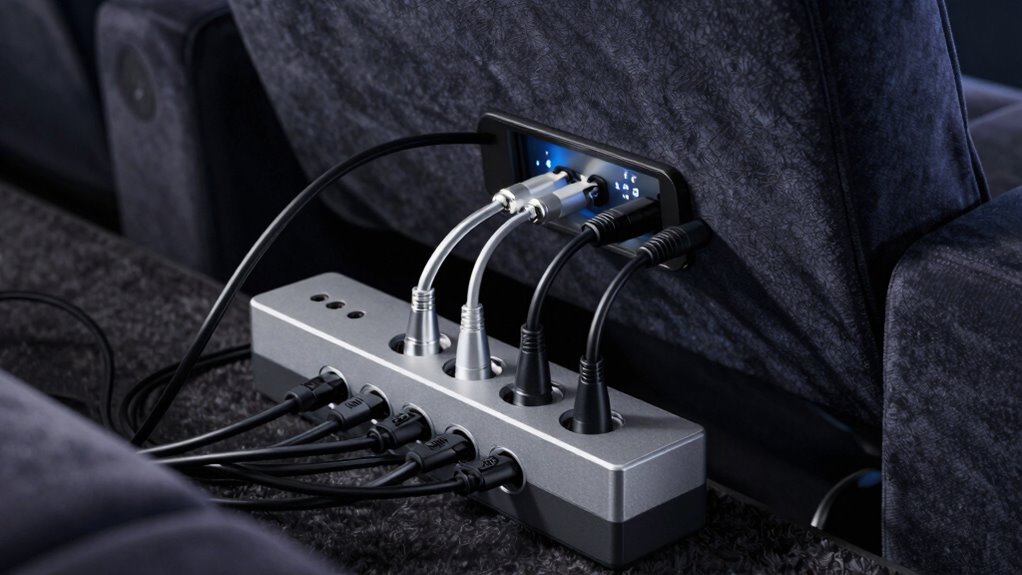
Many home theater enthusiasts believe that more power always means better sound, but this isn’t necessarily true. When it comes to your home audio system, the quality of your power supply matters more than just increasing wattage. A reliable power supply provides consistent, clean energy to your components, ensuring they operate at their best. If your power supply is weak or unstable, it can lead to performance issues, even if your equipment is high-end. Instead of chasing higher wattage ratings, focus on guaranteeing your power source is stable and sufficient for your system’s needs.
A stable, clean power supply is more important than higher wattage for optimal home theater sound quality.
Another common misconception involves electrical noise, which can seriously impact your home theater’s sound quality. Electrical noise refers to unwanted interference or static that sneaks into your audio and video signals, often caused by poor wiring, faulty power strips, or nearby electronic devices. When electrical noise infiltrates your system, it can manifest as hums, hisses, or distorted audio, making your listening experience less immersive and more frustrating. Many people underestimate how much electrical noise can degrade their sound, assuming that their equipment’s specifications are enough to guarantee quality. In reality, noise can overpower even the most advanced speakers if not properly managed.
People often overlook the importance of proper grounding and shielding in their home theater setup. A good grounding system helps to eliminate electrical noise, preventing it from polluting your audio signals. Shielded cables and surge protectors can also reduce interference, ensuring your system receives clean power. Without these safeguards, your system becomes vulnerable to electrical noise, which can cause audio artifacts and reduce overall fidelity. It’s not just about having enough power but about delivering that power in a way that’s free from interference. Proper grounding and shielding are essential for maintaining optimal sound quality and system reliability. Additionally, investing in power conditioning equipment can further improve the overall stability and clarity of your home theater system, especially in environments with fluctuating electrical conditions. Ensuring your system has a stable power source can make a significant difference in achieving the best possible audio and video performance.
Products Worth Considering

Garmin Tacx NEO 2T Smart Trainer

Garmin Index Sleep Monitor

Coleman SaluSpa Sicily Energy-Efficient Inflatable Hot Tub, 5–7 Person
As an affiliate, we earn on qualifying purchases.
Frequently Asked Questions
How Do Power Surges Affect Home Theater Equipment?
Power surges can seriously damage your home theater equipment by causing voltage spikes that overwhelm your devices. When you experience a surge, voltage stability drops, risking permanent harm to your components. To prevent this, use surge protection devices that guard against sudden voltage changes. This way, you safeguard your investment, maintain peak performance, and guarantee your home theater system stays protected during unexpected electrical fluctuations.
Is a Dedicated Circuit Necessary for High-Quality Audio?
A dedicated circuit is like a private lane for your home theater, ensuring smooth power flow. You definitely want dedicated wiring and proper grounding techniques to prevent interference and voltage drops that can distort sound and picture quality. Without it, your system might struggle with fluctuations or noise. Investing in a dedicated circuit keeps your high-quality audio and video performing at their best, delivering crisp, clear sound and stunning visuals.
What Is the Ideal Wattage for Home Theater Power Supplies?
The ideal wattage for your home theater power supply depends on your system’s needs, but generally, a 500-1000 watt power supply offers enough headroom for efficient operation. You want high power supply efficiency to reduce energy waste and heat. Additionally, stable voltage supply ensures consistent audio and video performance, preventing distortions or interruptions. Always match your power supply wattage to your components and prioritize quality for maximum home theater experience.
How Often Should I Upgrade My Home Theater Power System?
You should upgrade your home theater power system every 3 to 5 years, especially if you notice power issues or upgraded equipment. Regular upgrades guarantee your power supply provides consistent voltage regulation, preventing damage to your devices. As technology advances, newer power supplies offer better efficiency and stability. Keep an eye on your system’s performance, and upgrade when you see signs of strain or after significant equipment upgrades for maximum performance.
Can Power Conditioners Improve Sound and Picture Quality?
Power conditioners can definitely improve your home theater experience by enhancing audio clarity and visual stability. They filter out electrical noise and voltage fluctuations, which often cause distortion or flickering. This results in cleaner sound and sharper images. While they’re not a magic fix, using a quality power conditioner helps make certain your equipment performs at its best, giving you a more immersive and enjoyable viewing and listening experience.
Conclusion
Now that you understand the common misconceptions about home theater power, you see how overestimating or underestimating it can ruin your experience. Think of it like mistaking a small speaker for a giant subwoofer—you might miss out on the full richness of your sound or damage your equipment. Proper power management isn’t just technical; it’s the key to truly immersing yourself in your favorite movies and music. Don’t let misunderstandings hold your system back.