

To create community rules that people follow, you should focus on clear and practical guidelines written in simple language, explaining the reasons behind each rule. Emphasize respectful communication and establish a fair, consistent process for resolving conflicts. Make your rules visible and involve the community in shaping them to foster ownership. Encouraging feedback and continuous updates helps improve adherence. Keep these principles in mind to foster a respectful environment—there’s more to learn on how to build a thriving community.

Get sports gear delivered free with Prime
- Fast, free delivery on millions of items
- Prime Video, Amazon Music and more included
- Member-only deals all year
Key Takeaways
- Use simple, clear language with explanations and examples to ensure understanding and compliance.
- Focus on practical behaviors and respectful communication to foster a positive environment.
- Involve community members in rule creation to encourage ownership and adherence.
- Enforce rules consistently and fairly, with visible guidelines and clear consequences.
- Promote ongoing feedback and updates to keep rules relevant and community-driven.
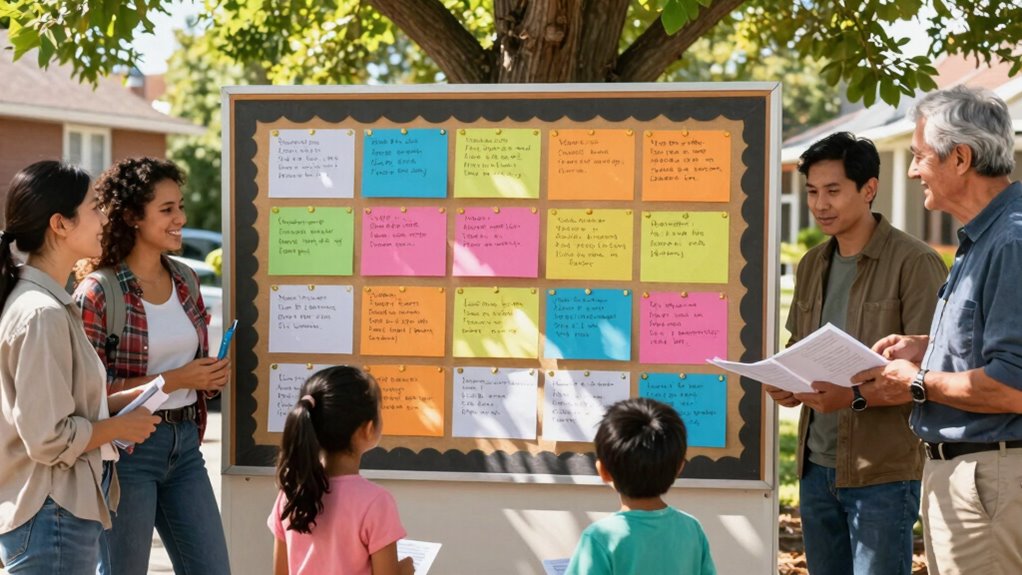
Community rules shape how people interact and coexist, whether in neighborhoods, online forums, or social groups. When you set clear guidelines, you create a space where everyone knows what’s expected and can act accordingly. To ensure these rules are effective, they need to focus on practical behavior and foster a respectful environment. One of the most important aspects is online etiquette, which governs how members communicate digitally. You want your community members to understand that respectful language, avoiding offensive comments, and refraining from spam are essential for maintaining a positive atmosphere. Clear, simple rules make it easier for people to follow them without confusion or frustration.
In addition, conflict resolution should be a core part of your community rules. No matter how well you set expectations, disagreements will happen. When conflicts arise, having a predefined process for resolution helps prevent escalation and keeps the community harmonious. You can specify steps like encouraging direct communication between parties first, then involving moderators if necessary. Emphasizing respectful dialogue and listening to different perspectives shows members that you prioritize fairness and understanding. This approach reduces hostility and promotes a culture of cooperation, making it more likely that people will adhere to the rules because they see how conflicts are handled constructively. Promoting community engagement and participation can also help reinforce shared standards and collective responsibility. Creating an environment where members feel heard and involved encourages compliance and mutual respect.
Effective community rules are also concise and easy to understand. If rules are too lengthy or complex, members might ignore them or misinterpret their meaning. Use straightforward language and include examples where possible. Highlighting the reasons behind rules can also motivate members to follow them; when people understand the purpose behind guidelines—such as maintaining safety, respect, and inclusivity—they’re more inclined to comply willingly. Incorporating clear communication strategies can further improve compliance by reducing misunderstandings. Enforce rules consistently, but fairly. When violations happen, address them promptly with clear consequences. This consistency reinforces the importance of following the rules and demonstrates that you value fairness. Additionally, making rules visually accessible—such as through pinned posts or dedicated pages—can enhance rule visibility and remind members of expectations regularly.
Finally, involve your community members in the rule-making process. When people feel they have a say, they’re more likely to respect and follow the guidelines. Encourage feedback and be open to revising rules as your community evolves. This collaborative approach shows that rules aren’t just top-down mandates but shared standards aimed at creating a welcoming, respectful environment. Additionally, emphasizing behavioral expectations helps set a standard for how members should conduct themselves in various situations, promoting a cohesive community culture. By focusing on online etiquette, conflict resolution, clarity, fairness, and community input, you’ll craft community rules that people genuinely want to follow and that foster a positive, cooperative environment for everyone involved.
As an affiliate, we earn on qualifying purchases.
Frequently Asked Questions
How Can I Enforce Community Rules Consistently?
You can enforce community rules consistently by setting clear, specific guidelines that promote community engagement and guarantee everyone understands expectations. Communicate these rules openly and regularly remind members of them. When violations occur, act promptly and fairly, applying rules evenly. Use transparent moderation to uphold rule clarity, which builds trust and encourages compliance. Consistent enforcement makes your community safer, more welcoming, and easier to manage, fostering ongoing positive engagement.
What Are Effective Ways to Handle Rule Violations?
When you encounter rule violations, handle them with tact through behavior management and conflict resolution. You can gently remind members of community guidelines, emphasizing positive behavior rather than punishment. Address issues privately when possible, listen to concerns, and clarify expectations. Consistently follow up to make certain of compliance, fostering a respectful environment. This approach helps maintain harmony, encourages accountability, and keeps the community welcoming for everyone.
How Do I Update Rules Without Causing Confusion?
To update your community rules without causing confusion, focus on maintaining rule clarity and fostering community engagement. Clearly communicate the changes through multiple channels, like announcements and pinned posts. Use simple language and highlight key updates to guarantee everyone understands. Encourage feedback to address concerns and questions. Regularly reviewing and revising rules keeps the community informed and engaged, making it easier for members to follow and adapt to new guidelines smoothly.
Should Rules Be Different for New Versus Longstanding Members?
Of course, you should have different rules for newbies versus veterans—because nothing says “welcome” like a secret handshake in membership onboarding. Newcomers need clear guidelines to avoid breaking community traditions, while longtime members thrive on trust and shared understanding. Tailoring rules keeps the community harmonious, prevents confusion, and guarantees everyone feels valued. After all, a little differentiation keeps the tradition alive without turning the rules into a confusing maze.
How Can I Encourage Positive Behavior Instead of Just Punishing?
To encourage positive behavior, you should focus on motivational incentives and peer recognition. Offer rewards or recognition for helpful, respectful interactions that reinforce desired actions. Highlighting good behavior publicly motivates others to follow suit and fosters a supportive community atmosphere. When members see their peers appreciated, they’re more likely to engage positively, making the community a welcoming space where good conduct is the norm rather than just punishment.
Conclusion
By crafting clear, fair rules, you lay down the roots of a thriving community garden where everyone tends to their own patch and shares the bounty. When rules are transparent and respected, they become the steady hands guiding the flourishing growth of trust and respect. Like a well-tended path through a forest, they lead everyone safely forward, ensuring your community blooms in harmony. Follow these steps, and watch your community blossom into a vibrant, welcoming sanctuary.
NFL season / tailgating Picks
team gear
As an affiliate, we earn on qualifying purchases.