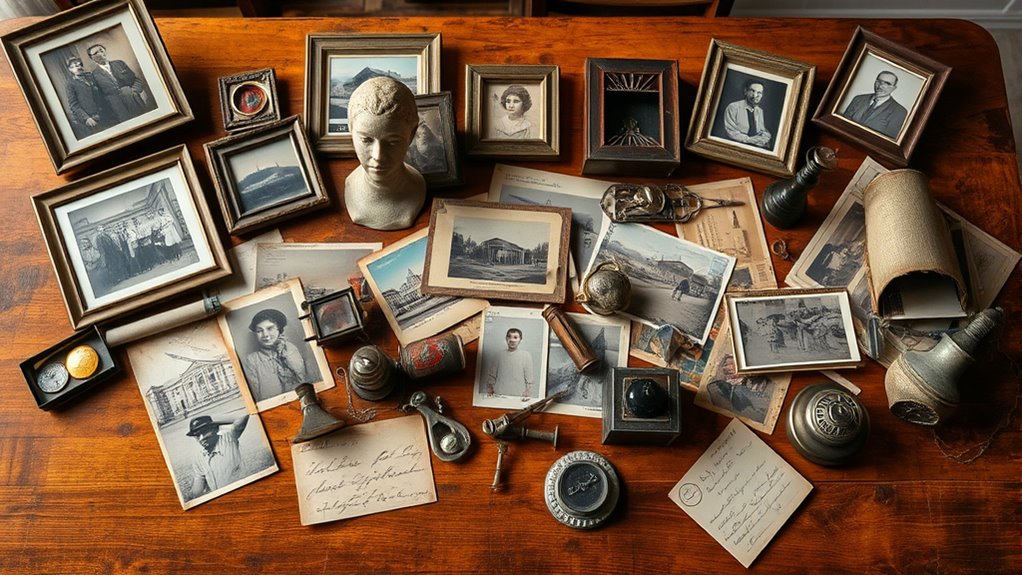

Collecting memorabilia satisfies deep emotional needs by helping you build personal connections and evoke nostalgia. You often choose items that reflect your experiences, values, or memories, turning collections into a form of self-expression and identity. These objects serve as tangible links to cherished moments, offering comfort and pride. By understanding the psychology behind your collection, you’ll see how it shapes your sense of self and keeps meaningful memories alive—continue to explore why these passions run so deep.
Key Takeaways
- Collecting memorabilia fosters emotional bonds, making items meaningful links to personal moments and experiences beyond monetary value.
- Nostalgia enhances collecting by allowing individuals to reconnect with cherished memories and evoke positive emotions from the past.
- Personal identity is reflected through memorabilia, with each item telling a story that shapes and preserves one’s life narrative.
- Market demand influences memorabilia value, motivating collectors to seek items based on popularity, rarity, and current trends.
- The act of collecting provides a profound sense of self-expression, continuity, and emotional fulfillment, linking individuals to their history.
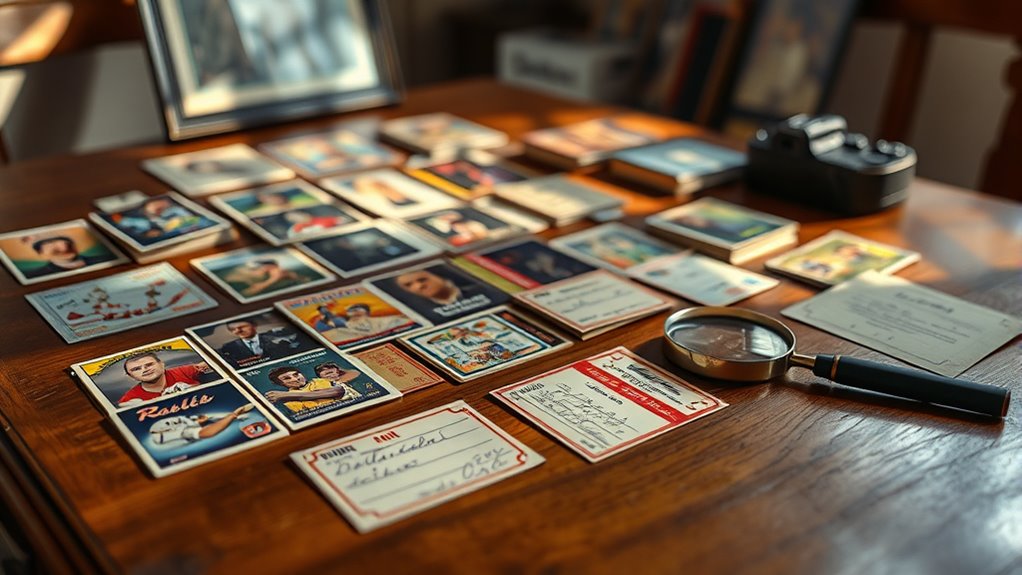
Have you ever wondered why collecting memorabilia has become such a popular hobby? It’s not just about owning a piece of history; it’s about the profound emotional connection you form with those objects. When you hold a vintage concert ticket or an old sports jersey, you’re not simply holding paper or fabric—you’re holding a fragment of your past. That emotional attachment is what drives many collectors, turning a simple hobby into a meaningful pursuit. These items serve as tangible links to moments, people, and experiences that have shaped your life. They evoke feelings that words often can’t express, creating a sense of continuity and personal significance. This attachment becomes a source of comfort, pride, and identity, giving you a reason to cherish each piece beyond its monetary value.
The nostalgic value attached to memorabilia is what truly fuels your passion. Nostalgia acts like a time machine, transporting you back to simpler days, exciting moments, or cherished memories. When you see an old toy from your childhood or a rare album from your teenage years, it’s like reconnecting with a part of yourself you may have forgotten. That nostalgic feeling isn’t just about reminiscing; it’s about reliving those emotions and sensations that made those moments special. It’s a way to keep alive the joy, innocence, and wonder of earlier times, especially in today’s fast-paced world. Memorabilia becomes a vessel for those feelings, allowing you to revisit your personal history whenever you choose.
This emotional and nostalgic connection makes collecting memorabilia more than just a hobby; it’s a form of self-expression and preservation. You carefully select items that resonate with your experiences, values, or interests, creating a personalized collection that reflects who you are. As you build your collection, you’re not only acquiring objects but also constructing a narrative of your life’s journey. Each piece tells a story, and the act of collecting becomes a way to honor your past while shaping your identity in the present. In essence, memorabilia becomes a mirror of your memories and emotions, enabling you to hold onto moments that define you. That’s why collecting memorabilia resonates so deeply—it’s a powerful, emotional act that connects you to your history, your feelings, and your sense of self.
Furthermore, understanding the value of collectibles often involves knowledge of market demand, which influences how much certain items are worth.
Frequently Asked Questions
Does Collecting Memorabilia Affect Mental Health Positively or Negatively?
Collecting memorabilia can positively influence your mental health by boosting your self-esteem and providing emotional attachment to meaningful items. When you cherish your collection, it creates a sense of accomplishment and identity, which can improve overall well-being. However, if it becomes obsessive or causes financial stress, it might negatively impact your mental health. Balance and moderation are key to enjoying the benefits without negative effects.
How Does Nostalgia Influence the Desire to Collect?
Nostalgia fuels your desire to collect by creating an unstoppable urge to relive precious moments. You develop an emotional attachment to items that preserve memories, making them feel like treasures from your past. This longing for connection is so powerful, it can feel like time stands still. Your collection becomes a way to safeguard your history, turning everyday objects into portals to happier, simpler days that still live vividly in your heart.
Are There Psychological Differences Between Casual and Serious Collectors?
You’ll find that serious collectors often have a stronger collector identity, which shapes their acquisition motivation to seek rare or valuable items. Casual collectors, however, typically collect for enjoyment or nostalgia, with less emphasis on value. Psychologically, serious collectors may experience greater satisfaction from accumulation and achievement, while casual collectors focus more on the joy of the process. These differences influence how deeply each person connects to their collection.
What Role Does Social Status Play in Memorabilia Collecting?
You might not realize it, but social status plays a subtle role in your memorabilia collection. As a status symbol, your collection can signal prestige and align you with certain social groups. Peer influence pushes you to acquire rare items to gain approval or admiration. This desire to elevate your standing fuels your passion, making collecting more than just a hobby—it’s a way to showcase your importance and connect with others.
Can Collecting Become an Addiction or Compulsive Behavior?
Yes, collecting can become an addiction or compulsive behavior when your collector identity heavily relies on acquiring items and emotional attachment grows too strong. You might find yourself unable to resist the urge to seek new memorabilia, neglecting other aspects of life. This compulsive drive often masks underlying emotional needs, making it harder to regulate. Recognizing these patterns helps you regain balance and ensure collecting remains a healthy, enjoyable hobby.
Conclusion
So, next time you’re frantically hunting for that rare baseball card or vintage comic, remember—you’re just chasing a fleeting sense of happiness in a sea of cardboard and plastic. Who knew that your obsession with memorabilia is really a charming quest to prove you’re somehow more interesting than a pile of dust? Keep collecting, because nothing says “I have my life together” quite like hoarding a bunch of shiny things nobody really needs.