
Supporter groups are actively promoting mental health awareness by creating peer support networks, organizing campaigns, and inviting professionals to speak at events. These efforts help break down stigma, foster openness, and encourage members to seek help without fear. They also focus on building compassionate communities where emotional well-being is prioritized. If you keep exploring, you’ll discover how these initiatives are making a lasting positive impact on the community.
Key Takeaways
- Supporter groups are implementing peer support networks to foster open discussions and reduce stigma around mental health.
- Initiatives include organizing awareness campaigns, sharing personal stories, and inviting mental health professionals to speak.
- Community members are encouraged to recognize emotional distress signs and conduct check-ins, promoting emotional awareness.
- Resources such as helplines and information sessions are provided to support fans facing mental health challenges.
- These efforts enhance community resilience, normalize mental health conversations, and create a safer environment for all members.
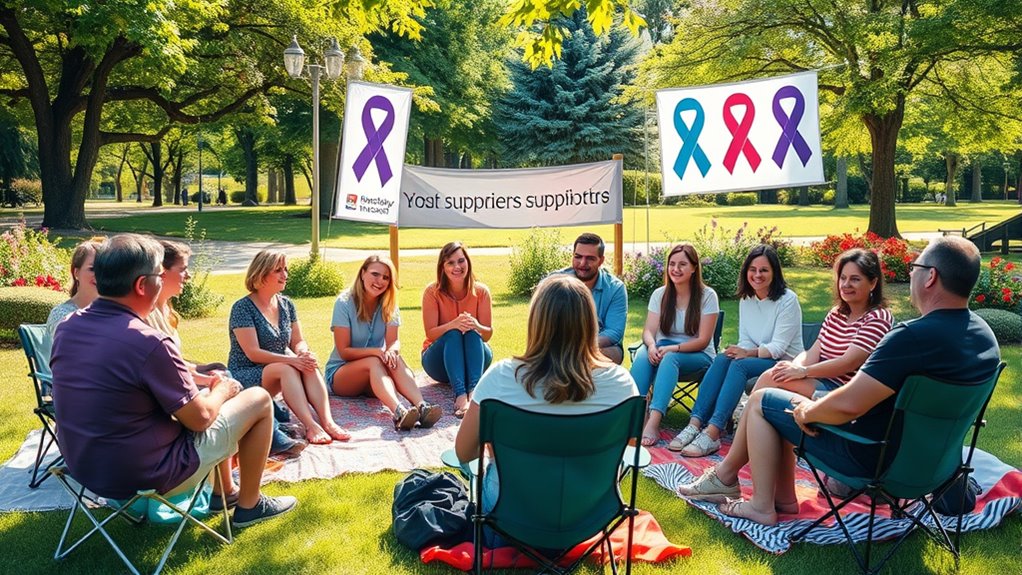
Supporter groups play a vital role in the sports community, but their passion can sometimes mask underlying mental health struggles. Many fans pour their hearts into supporting their teams, creating a sense of belonging and camaraderie. However, this intense devotion can also lead to emotional stress, anxiety, or depression that often goes unnoticed. Recognizing this, some supporter groups are actively working to prioritize mental health by fostering peer support networks. These networks encourage members to share their experiences openly, helping break down feelings of isolation. When you know others are going through similar struggles, it becomes easier to open up and seek help. Peer support isn’t just about listening; it’s about creating a safe space where you can express vulnerability without fear of judgment. As a supporter, you might find that talking to someone who understands the unique pressures of fandom makes a significant difference in managing your mental health.
In addition to peer support, many supporter groups are taking steps to reduce stigma surrounding mental health issues. Stigma can prevent fans from reaching out for help, fearing they’ll be judged or seen as weak. By openly discussing mental health within the community, supporter groups aim to normalize these conversations. They organize awareness campaigns, share personal stories, and invite mental health professionals to speak at events. These efforts send a clear message: everyone experiences struggles, and seeking help is a sign of strength, not weakness. When you’re part of a supporter group that promotes stigma reduction, you’re actively contributing to a culture where mental health is prioritized. This shift can empower you to speak more openly about your feelings and encourage others to do the same.
The impact of these initiatives extends beyond individual well-being; it transforms the supporter community into a more compassionate and supportive environment. When mental health becomes a common topic, members become more attentive to each other’s emotional states. You might notice someone who seems withdrawn or upset, and feeling comfortable enough to check in can make a huge difference. These groups often create resources, such as helplines or information sessions, tailored specifically for fans facing mental health challenges. By integrating peer support and stigma reduction into their core activities, supporter groups are fostering resilience and solidarity. Ultimately, your involvement in these initiatives not only benefits your own mental health but also helps build a community where everyone feels safe, supported, and understood. Recognizing the importance of mental health awareness within the community is essential for creating lasting positive change.
Frequently Asked Questions
How Are Mental Health Initiatives Funded Within Supporter Groups?
You typically fund mental health initiatives within supporter groups through diverse funding sources like member donations, fundraising events, and sponsorships. These sources help guarantee program sustainability by providing ongoing financial support. You might also seek grants from health organizations or government programs. By diversifying your funding streams, you can maintain and expand mental health efforts, ensuring they remain effective and accessible for those who need them most.
What Training Do Supporter Group Leaders Receive for Mental Health Support?
Think of supporter group leaders like skilled navigators guiding others through rough waters. They receive specialized training in peer support, teaching them how to listen empathetically and offer reassurance. This training also emphasizes stigma reduction, helping leaders create a safe space for open conversations about mental health. By doing so, leaders empower members, foster understanding, and break down barriers that prevent individuals from seeking help, making the group a true haven.
How Do Supporter Groups Measure the Success of Their Mental Health Programs?
You measure the success of your mental health programs through peer support feedback and program evaluation metrics. You gather insights from supporter group members about their experiences and improvements in mental well-being. You also track participation rates, engagement levels, and the number of individuals seeking help. By regularly reviewing this data, you guarantee the programs meet members’ needs and make necessary adjustments for better mental health outcomes.
Are Mental Health Initiatives Tailored to Specific Supporter Demographics?
Yes, mental health initiatives are tailored to specific supporter demographics through demographic targeting, guaranteeing programs resonate with diverse groups. You actively engage with the community to understand their unique needs, preferences, and cultural backgrounds. This approach helps create relevant, effective support systems that foster trust and participation. By focusing on community engagement, you ensure your mental health initiatives are inclusive, impactful, and truly meet the varied needs of your supporter demographic.
What Challenges Do Supporter Groups Face When Implementing Mental Health Programs?
Like breaking down a wall of glass, implementing mental health programs can shatter stigma, but supporter groups face hurdles. You might struggle with stigma reduction, fearing judgment or misunderstanding. Peer support is essential, yet organizing genuine, trusting connections can be tough. Limited resources, cultural barriers, and resistance to change also complicate efforts. Still, by fostering openness and emphasizing community, you can overcome these challenges and create a supportive environment.
Conclusion
By embracing inclusive initiatives, you can create a caring, connected community that champions change. Supporting supporter group mental health isn’t just about awareness; it’s about actively advocating for acceptance, understanding, and unity. When you prioritize mental health, you promote positivity, prevent problems, and pave the way for a passionate, protected supporter environment. Remember, your proactive participation powers progress, proving that together, you can make a meaningful, memorable difference in mental health management within supporter groups.